

What is Organizational Culture: A Complete Guide for Business Success
A strong, purposeful culture is essential to high employee performance in every organization. However, most leaders continue to question what organisational culture, how it develops, and its long-term impact on success.
Culture is not just the behaviour of employees but rather a shared identity that influences the way employees think, behave, communicate, and interact in the workplace. A clear culture leads to motivation, retention, performance enhancement and development of a cohesive organizational direction.
This blog discusses the basics of what is organizational culture, its key elements, the direct relationship with employee engagement, and how employee recognition practices, such as corporate gifting, are crucial in the creation of a healthy workplace environment.
Understanding What Organizational Culture Is and Why It Matters
Culture dictates whether employees will work together or against one another, whether they will be encouraged, feel supported, valued, and aligned with the organizational objectives. A powerful culture is generally associated with:
- Better involvement and loyalty
- Reduced burnout
- Improved collaboration
- Better decision-making
- Improved customer experience
Workplace Culture Defined: Key Characteristics and Types
The simple answer to what is organizational culture is that it is established and influenced by formal and informal structures that shape how employees relate to one another. It consists of leadership style, communication patterns, work environment, reward systems, rituals, and team dynamics.
The type of culture helps company leaders align their behaviour with strategy to drive business and motivate the employees. Some of the common workplace cultures include:
- Clan Culture: Teamwork and people-oriented.
- Adhocracy Culture: Risk-taking and innovative.
- Market Culture: Competitive and results-based.
- Hierarchy Culture: Structured and process-oriented.
Essential Elements of Organizational Culture
Various elements of organizational culture can either empower employees or restrict them. These include:
Core Values and Mission Alignment
Values influence how the organization operates. Employees will work with purpose when they can comprehend and accept these values. When you incorporate values into hiring, onboarding, performance management, and recognition processes, you can ensure your employees are aligned with the company’s values and mission.
Leadership and Communication Practices
One of the most important elements of organizational culture is leadership. Open communication, effective decision-making, compassion, and responsibility enhance trust in the organization. When leaders are open, and acknowledgement is frequent, the employees become more engaged.
Recognition and Employee Appreciation
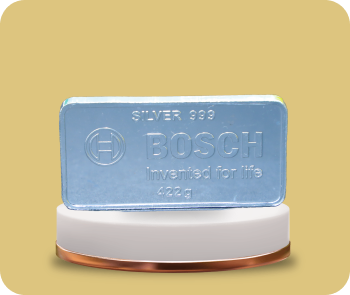
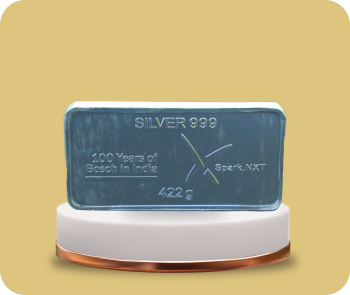
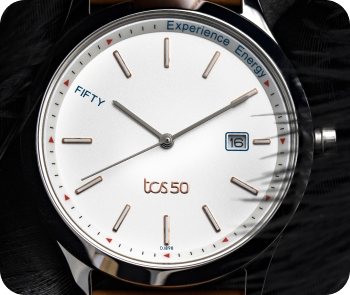
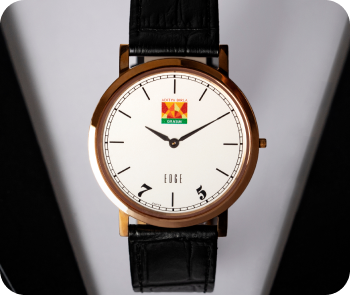
Identification is another one of the fundamental elements of organizational culture. It strengthens good behaviours, morale, and a sense of belonging. Appreciation can be shown through milestones, achievement awards, and even by celebrating a festival; this helps foster a culture in which employees feel appreciated. High-quality business gifts, such as watches, vouchers, gold coins, or accessories, are essential for showing sincere gratitude and strengthening values.
Impact of Organizational Culture on Employee Engagement
The impact of organizational culture on employee engagement is significant. When employees are engaged, they have an emotional attachment to their organization. They operate on drive, innovation, and an eagerness to exceed the rudimentary expectations. Another impact of organizational culture on employee engagement is that it enhances engagement through:
- Provision of psychological safety.
- Encouraging collaboration.
- Endorsing developments and prosperity.
How Culture Drives Motivation and Productivity
A strong culture creates purpose via clear values and alignment, boosting intrinsic motivation. It fosters psychological safety and trust, empowering employees to take ownership and innovate. Fair recognition and growth opportunities reinforce high-performance behaviors, leading to sustained productivity and lower burnout. It also helps build the management team’s confidence.
Motivation comes naturally when employees relate to the organization’s values, and leadership supports them. So, the direct impact of organizational culture on employee engagement and productivity is in the following ways:
- Clear expectations
- Supportive leadership
- Fair recognition systems
- Opportunities for growth
- Healthy work relationships
Building Strong Workplace Culture with Corporate Gifting
Public recognition and genuine appreciation contribute to improving culture at the workplace to a great extent. One way to do that is to offer thoughtful corporate gifts, which can help enhance relationships, reinforce values, and commemorate significant milestones.
Recognition Gifts That Reinforce Company Values
Thoughtful employee recognition gifts, such as Titan watches, branded accessories, or Tanishq gift vouchers, are permanent reminders of how much the organization values its employees. These gifts support excellence and commitment.
Celebrating Milestones with Meaningful Corporate Gifts
Work anniversaries, promotions, assimilation of new employees, special holidays, and performance prizes are valued when accompanied by personalised gifts. Such instances help to nurture a culture of belonging and pride. With Titan Company, you can get custom watches, vouchers, gold coins, and more.
Strategies for Building and Strengthening Organizational Culture
Every organization needs a good culture driven through leadership. Key strategies include:
- Formulate and Publicize Values: Demonstrate that values have made it into everyday practices and leadership behaviour.
- Encourage Open Dialogue: Establish avenues of communication through which the employee feels at ease communicating ideas or issues.
- Reward Establish the Right Behaviours: Associate values with achievements.
- Encourage Diversity and Cooperation: Belonging is encouraged by the culture of respect and diversity.
- Put Employee Well-Being First: Support physical, emotional, and mental health with considerate programs.
Measuring Your Organizational Culture Effectiveness
Assessing the culture assists organizations in determining areas of weakness and skills. Leaders need to monitor the company’s cultural health by:
- Engagement surveys
- Employee feedback
- Retention statistics
- Performance outcomes
- Cultural audits
Conclusion
The success of an organization depends on its organizational culture and the investment in its development. A conducive work environment is achieved through clear values, effective communication, strong leadership, and employee recognition. Great culture results in increased engagement, improved performance, and loyalty.
Corporate gifts that include premium watches to value-based vouchers are crucial in employee recognition, celebrating milestones, and maintaining organizational identity. Titan provides an all-inclusive corporate gift service so your employees feel valued, congruent, and inspired by the organization.
FAQs
What are the 4 types of organizational culture?
The four main types are clan culture, adhocracy culture, market culture, and hierarchy culture. Each reflects different values, from collaboration and innovation to performance and structure.
How does workplace culture impact employee engagement?
Strong workplace culture boosts engagement by fostering trust, alignment, motivation, and belonging. Poor culture leads to low morale, reduced productivity, and higher attrition.
How can corporate gifts strengthen organizational culture?
Corporate gifts reinforce values, recognise achievements, build emotional connection, and make employees feel valued, strengthening identity and loyalty across the organization.
What are the functions of organizational culture?
Culture guides behaviour, shapes decision-making, improves coordination, builds identity, enhances motivation, and creates stability within the organization.
What is the difference between organizational culture and workplace culture?
Organizational culture is the overarching belief system and values of the company, while workplace culture focuses on daily practices, behaviours, and employee experiences.