
Ways to Improve Performance at Work: Complete Guide for Success
To enhance personal development and company success, it is necessary to improve workplace performance. Be it as a team leader or as an employee with high performance, it is not only about knowing the best methods to boost performance at work, but also about productivity, motivation, and the bottom line can be radically changed. This guide includes applicable strategies, effective techniques, and positive ways to improve work performance that leaders can use.
Understanding Work Performance and Why It Matters
Work performance is an indicator of the efficiency with which an employee performs tasks, measures up, and works towards the business objectives. As the employees continuously enhance their talents, concentration, and involvement, the organization becomes agile and competitive. High performance also leads to increased job satisfaction and career advancement opportunities for the individual.
Furthermore, strong performance metrics are directly correlated with reduced operational costs and increased revenue, making it a critical focus area for sustainable business growth. When employees understand the direct impact of their work on the company’s mission, their commitment naturally strengthens. A culture that values performance improvement fosters an environment of excellence and drives innovation across all departments.
Top Ways to Improve Performance at Work
Set Clear Goals and Priorities
One of the most effective positive methods of enhancing work performance is goal setting. Priorities also assist employees in concentrating their time, energy, and resources on productive activities instead of becoming fully dispersed. SMART goal setting provides a framework and quantifiable results. These goals should be regularly reviewed and adjusted as business needs evolve. Aligning individual goals with overarching departmental and company objectives ensures that all effort contributes meaningfully to the larger success. Regularly communicating the ‘why’ behind each goal helps maintain motivation and focus, making it one of the best ways to improve performance at work.
Master Time Management and Focus
Daily effectiveness is based on time management. Prioritisation matrices, scheduling tools, and workflow structures are useful in eliminating inefficiencies. Well-managed employees are more productive and will be less stressed and better placed to meet deadlines. Techniques such as the Pomodoro Technique or the Eisenhower Matrix can drastically improve focus and decision-making about task urgency and importance. Learning to delegate effectively and avoiding the trap of multitasking, which often diminishes quality, are also crucial components of mastering one’s time.
Enhance Communication and Collaboration
Open communication enhances teamwork, eliminates mistakes, and makes employees know what is expected of them. The high productivity of work and the speed of its delivery are guaranteed through efficient teamwork tools and frequent meetings, which keep the team on track. This involves not only formal check-ins but also creating channels for quick, informal feedback and idea sharing. Active listening is paramount in resolving conflicts quickly and ensuring all team members feel heard and respected, which builds essential psychological safety for taking risks and being creative.
Examples of Ways to Improve Work Performance in Daily Tasks
Here are some ways to improve performance at work:
- Writing a task list on a daily basis and then getting ready to work.
- Allocating high-focus tasks with time blocks.
- Gaining an understanding of new tasks.
- Tracking with the use of simple tracking tools.
- Asking for feedback regularly to enhance results.
These measures are some of the positive ways to improve work performance as they assist workers to be organised, lessen confusion, and work with confidence. Consider also batching similar tasks (e.g., answering all emails at specific times) to minimize context switching and maintain deep focus on complex projects. Taking short, intentional breaks throughout the day is also one of the popular examples of ways to improve work performance because it can also prevent burnout and restore mental clarity for sustained high performance.
Practical Tips to Improve Work Productivity
Eliminate Distractions and Optimize Your Workspace
A distraction-free environment is one of the easiest tips to improve work productivity. A clean and tidy environment enhances concentration and clarity. Silencing notifications, setting no-meeting times, and using noise-cancelling devices will go a long way in increasing productivity. The physical organization of your desk or home office significantly influences your mental state and efficiency. Ensuring proper lighting and an ergonomic setup can also reduce physical strain, supporting longer periods of focused work.
Leverage Technology and Automation Tools
The digital tools contribute significantly to the enhancement of performance. Automation saves time, eliminates repetitive labor, and eliminates human error. The fast turnarounds and the increased efficiency are achieved by using task managers, project management platforms, or communication tools. Learning to fully utilize the features within existing software, such as keyboard shortcuts or advanced filtering, can provide immediate efficiency gains. Investing time in evaluating new, AI-powered tools for data analysis or content generation can further amplify output quality and speed.
Continuous Learning and Skill Development
Continuous learning enables employees to remain relevant and be more self-confident, which is why it is one of the most popular tips to improve work productivity. Completion of courses, researching certifications, workshops, and training on the job creates the capability that directly enhances the quality of performance. Promoting a growth mindset, where challenges are seen as opportunities for learning rather than obstacles, is vital. Organizations should actively budget for and provide access to relevant professional development resources and mentorship programs.
How to Improve Performance at Work Through Leadership Support
The managers exert enormous control over the performance of employees. Positive leadership enables employees to perform their best. Here are some key factors to improve performance through leadership support:
Key factors include:
- Effective communication of expectations
- Guidance during challenges
- Recognition of progress
- Sharing of workload when needed
- Psychological trust and safety
Recognition and Rewards for Performance Excellence
The motivational force in the workplace is recognition. When employees feel appreciated and valued at the workplace, they are more likely to stay at the same organization for years and are loyal and dedicated to their organization. The appreciation of the masses, personalised recognition, and timely appreciation make up the culture of continuous improvement.
Corporate Gifting as Performance Motivation
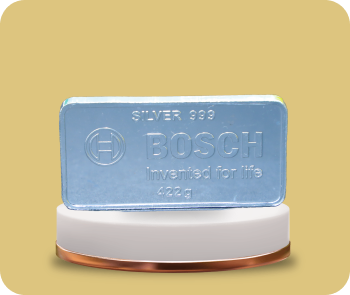
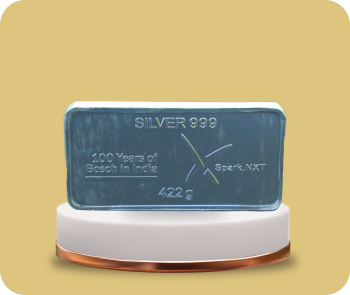
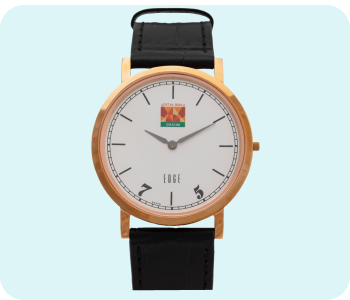
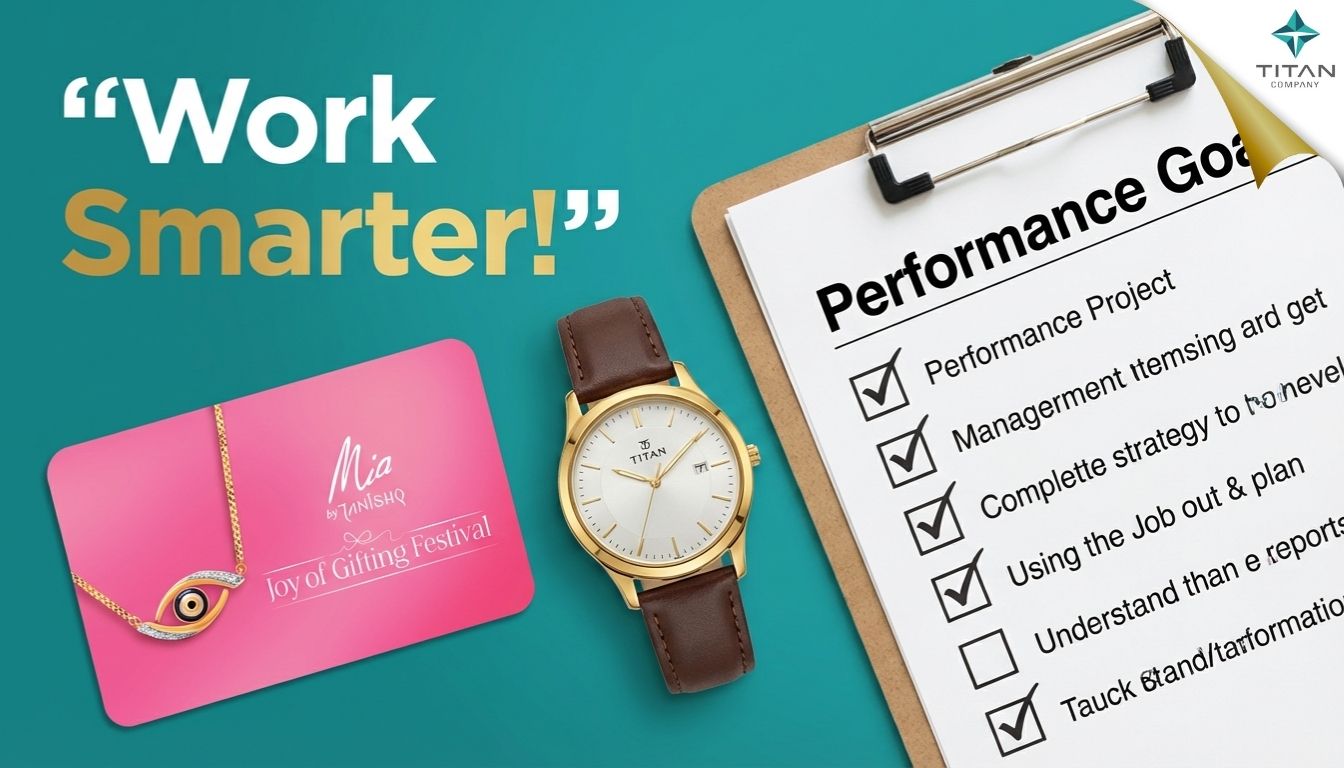
Thoughtful corporate gifting is very important in performance recognition. Useful and thoughtful gifts like exquisite Titan custom watches, lifestyle accessories, or Tanishq gift vouchers are considered premium and serve to reinforce achievement and motivate the employees to keep performing better.
Gifting improves individual pride, creates healthy competition, and makes a lasting mark of career achievement.
Measuring and Tracking Work Performance Improvements
In order to secure the long-term improvement, organizations should measure performance regularly. Common indicators include:
- Goal completion rates
- Turnaround time
- Quality of output
- Team collaboration metrics
- Feedback from customers or stakeholders
- Creativity and skills in problem-solving
Improving work performance is a holistic, continuous process driven by clear goal-setting, mastery of time management, and a commitment to communication and learning. It is fundamentally supported by positive leadership and a strong culture of recognition. When organizations effectively implement these strategies, they not only see a radical boost in productivity and motivation but also secure long-term business agility and success. Tangible, high-value recognition, offered through partnerships with Titan Company, can transform appreciation into a powerful motivator, cementing employee loyalty and celebrating milestones.
FAQs
What role does goal setting play in work performance?
Goal setting provides direction, clarity, and measurable outcomes, helping employees stay focused, aligned, and motivated to achieve consistent results in daily tasks.
How do you measure improvements in work performance?
Track progress using KPIs, task completion rates, quality metrics, feedback, and productivity benchmarks to monitor both individual and team performance.
What are quick wins for immediate performance improvement?
Decluttering your workspace, prioritising tasks, using short time blocks, and reducing digital distractions deliver fast and noticeable performance results.
Can corporate gifts motivate better work performance?
Yes. Thoughtful recognition gifts boost morale, reward achievement, and encourage employees to maintain high performance standards.
How often should employees receive performance feedback?
Feedback should ideally be given monthly, with continuous informal check-ins to ensure employees stay aligned and supported.