
Employee Engagement Strategies: Proven Methods to Boost Workplace Performance
One of the best strategies behind organizational success is a highly engaged workforce. Organizations that have a well-engaged workforce generally do better than their competition; they retain their best employees and keep their culture motivated and productive. To develop such teams, leaders need to embrace employee engagement strategies that go beyond superficial activities and drive long-term behavioural change.
This guide discusses established engagement tactics, contemporary programs, and viable strategies for revitalizing teams and includes information on how recognition and corporate gifting can be used to promote performance.
Understanding Employee Engagement Strategies and Their Impact
The best employee engagement strategies are centred on aligning employee satisfaction with organizational objectives. Employee engagement increases when employees feel valued, listened to, and connected to the firm’s mission.
High engagement leads to:
- Better productivity
- Reduced burnout
- Stronger innovation
- Consistent collaboration
- More customer satisfaction.
Essential Employee Engagement Initiatives for Modern Workplaces
The contemporary workplace needs new, more significant employee engagement programs that are not only focused on performance but also on emotional well-being, connection, and professional development.
Recognition and Rewards Programs
One of the best engagement drivers is recognition. Celebrating the employee achievements, milestones, and efforts regarding their mental and physical health helps the employees feel appreciated. This appreciation, in turn, creates motivation. The recognition can be in terms of awards, events, or customised rewards.
For recognition to be truly effective, it must be timely, specific, and tied directly to the company’s core values. Public acknowledgment, such as through team meetings or internal communication channels, amplifies the positive effect. A culture of continuous recognition, not just annual reviews, reinforces desired behaviours and shows employees that their efforts are noticed and valued in real-time, building a stronger sense of loyalty and commitment.
Professional Development Opportunities
When employees get a glimpse of the growth ladder, they remain motivated. Workshops, upskilling, mentoring, and micro-learning opportunities ensure that employees do not feel like outsiders in the company and are confident about their future, not just in their careers but also with the company.
Effective Communication Channels
Open and direct communication enhances trust. Feedback meetings, employee surveys, and one-on-one meetings with the leaders and group forums help keep the organization on track and make employees feel valued and considered.
How to Improve Engagement in the Workplace: Practical Steps
The leadership must work relentlessly to understand how to enhance workplace engagement. Practical steps on how to improve engagement in the workplace include:
- Promoting open and respectful communication.
- Providing workplace flexibility.
- Offering learning and development options.
- Rewarding performance in time.
- Engaging employees in decision-making.
- Developing effective team relations.
- Minor changes in everyday operations can provoke significant shifts in culture.
Creative Employee Engagement Ideas to Energize Your Team
Active employee participation can immediately transform the workplace. Here are some engagement ideas to assist in bonding, reducing stress, and contributing to creativity in teams.
Team Building Activities and Events
Activities such as problem-solving puzzles, monthly events, group brainstorming, and interactive workshops improve cooperation and motivation. These occasions help employees build stronger connections with one another, which leads to increased engagement and productivity.
Wellness and Work-Life Balance Initiatives
Wellness and work-life balance significantly contribute to employee involvement. Organizations can consider inculcating the following:
- Fitness programs
- Mental wellness sessions and emotional support
- Flexible work timings
- Healthy snack bars
Investing in employee well-being is not just a perk; it is a critical business strategy. These initiatives directly reduce absenteeism and presenteeism (being physically present but mentally disengaged), leading to lower healthcare costs and higher quality of output. Programs focused on mental wellness, such as offering free access to counselling or meditation apps, signal a deep commitment to the employee as a whole person, fostering reciprocal loyalty. Furthermore, robust work-life balance initiatives, like paid time off for volunteering, help employees integrate their personal values with their professional lives, which dramatically boosts overall job satisfaction and long-term retention rates.
Leveraging Corporate Gifting in Employee Engagement Strategies
One of the best employee engagement tools is corporate gifting. It glorifies appreciation, milestones, and recognizes personal contributions. The use of meaningful gifts in employee engagement programs helps employees feel appreciated in a practical and memorable way.
Milestone Recognition Gifts and Awards
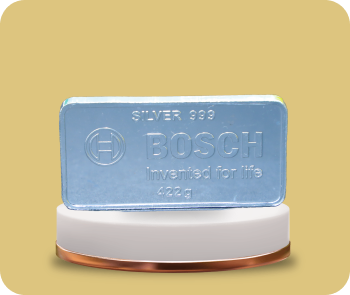
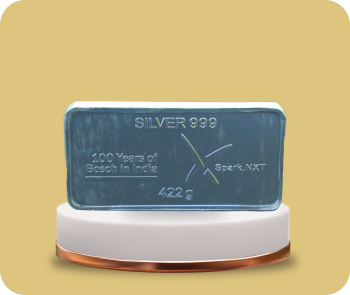
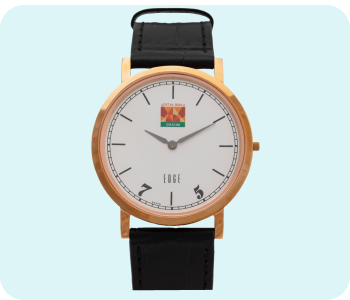
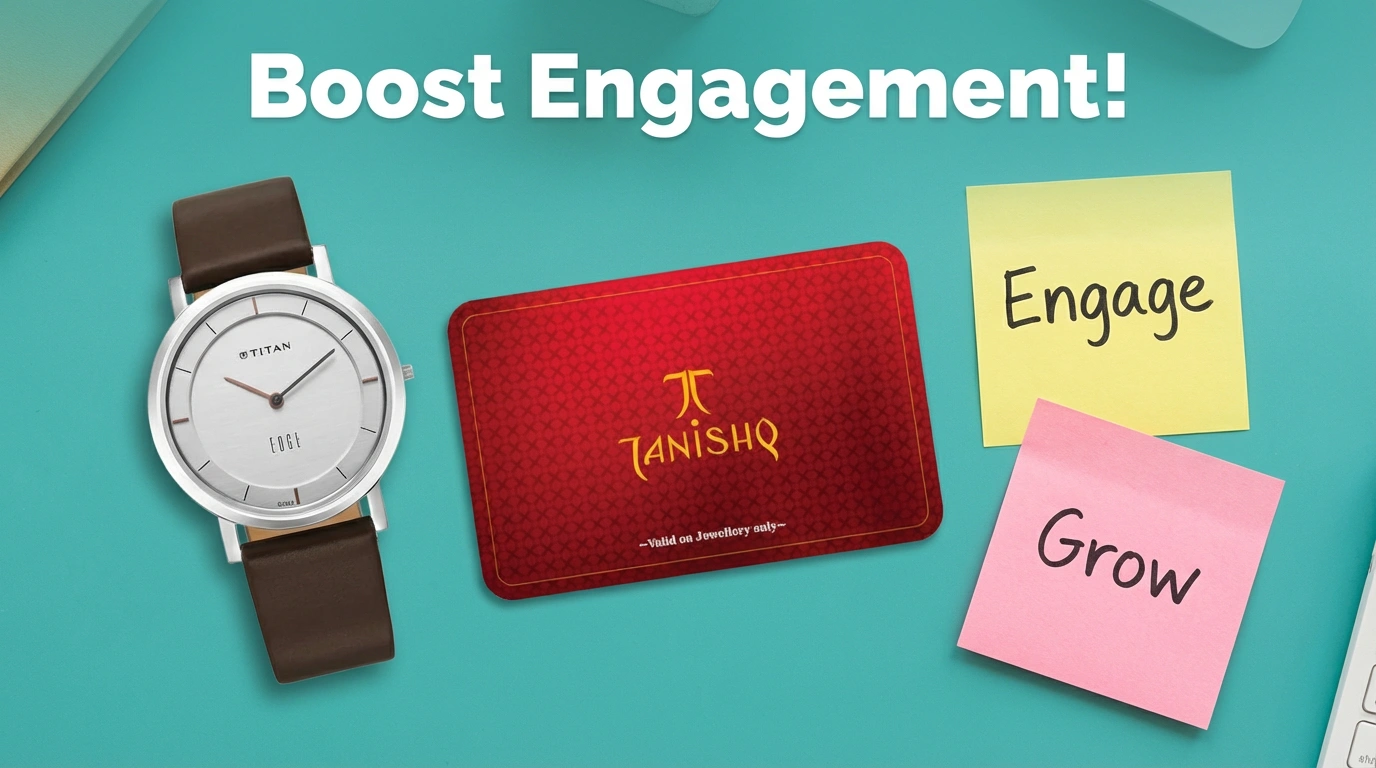
Premium recognition should be given for service anniversaries, promotions, project completions, and significant accomplishments. Considerate gifts are reminders of appreciation that last and lead to long-lasting loyalty. Premium gifts such as Titan custom watches, silver coins, and smart accessories leave a lasting impact on the employees and drive motivation at work.
Performance-Based Corporate Gifts
When the best performers receive personalised and high-quality gifts, like Tanishq gift vouchers, clocks, and more, they are motivated. Such rewards have a strengthening effect on the organization by promoting the excellence it has set and inviting other employees to endeavour to achieve the same.
Measuring the Success of Your Employee Engagement Initiatives
Monitoring the outcomes of engagement will keep the strategies efficient and goal-oriented. Key metrics include:
- Monitoring employee satisfaction scores.
- Increasing retention rates.
- Productivity improvements.
- Engagement activities.
- Survey and focus group feedback.
- Performance outcomes.
Common Mistakes to Avoid When Implementing Employee Engagement Ideas
Even good engagement programs might fail miserably when poorly implemented. Here are some things to avoid:
- Considering engagement as a single incident.
- Ignoring employee feedback.
- Ensure the employees can relax with fun activities and events not centered around work.
- Provision of generic rewards that do not hold much meaning.
- The use of the same strategy with all departments.
Conclusion
An employee engagement strategy is a strategy employed by organizations to make workplaces successful, energetic places. By using the appropriate combination of employee engagement practices, recognition programs, communication enhancement, and considerate gifting practices, the organisations can build cultures in which employees feel appreciated and motivated to do their best.
Titan, with its superior gifting solutions, complements engagement schemes by introducing quality, trust, and personalisation to each recognition occasion.
FAQs
What are the 5 C's of employee engagement?
The 5 C’s include Connection, Communication, Contribution, Collaboration, and Celebration, key pillars that strengthen trust and motivate employees.
What are simple employee engagement ideas for small businesses?
Small businesses can use team lunches, personalised thank-you notes, flexible schedules, birthday recognitions, and small rewards to boost engagement affordably.
How often should we implement new employee engagement ideas?
New initiatives can be introduced quarterly, while ongoing engagement activities should be maintained regularly to keep employees consistently motivated.
Can remote employees benefit from engagement initiatives?
Yes. Virtual events, online recognition, digital rewards, wellness sessions, and frequent check-ins ensure remote employees stay connected and engaged.
How do you measure employee engagement effectively?
Use surveys, performance metrics, retention data, participation rates, and qualitative feedback to monitor engagement and identify key improvement areas.