
Workplace Mental Health Awareness: Essential Guide for Corporate Leaders
Employee welfare has become a quantifiable corporate agenda. The changing nature of workplaces has necessitated the need for awareness about mental health in the workplace, especially in the critical roles of productivity, retention, and long-term organizational sustainability. Industrial leaders are increasingly becoming aware that mental health directly correlates with performance, innovation, and stability of the corporation.
This guide delves into the key facts, tactics, and practical ideas for leaders who are willing to make a better contribution to mental health in the workplace.
Understanding Workplace Mental Health Awareness and Its Importance
Fundamentally, mental health awareness at the workplace is the act of identifying the psychological issues, lessening the stigma, and establishing mechanisms that promote the welfare of the workers. Organizations that take positive action towards mental health create safer, caring, and high-performing workplaces.
Mental Health in the Workplace: Facts: Key Statistics You Need to Know
Data helps leaders understand the magnitude of the problem and prioritize efforts in the right direction.
Global Mental Health Data and Trends
WHO indicates that the lost productivity of the world economy is estimated to be over $1 trillion annually due to depression and anxiety. At this moment, an estimated 15% of working adults are living with mental illnesses. Cases of burnout and resignations are increasing, particularly in stressful workplaces.
These statistics underscore why organizations need to incorporate mental health into their workplace leadership strategy.
Industry-Specific Mental Health Statistics
The mental health in the workplace facts also inform leaders to design individualized mental health solutions. Various industries indicate various mental health risks:
- IT & Tech: Overwork, remote work, and deadlines are among the causes of chronic stress.
- Healthcare: The feeling of emotional burnout and compassion fatigue is now widespread.
- Corporate Sales: The company is compelled to perform at a certain level that brings anxiety and burnout.
Mental Health in Corporate: Creating Supportive Work Environments
Mental health within the corporate environment cannot be effectively addressed in a few superficial wellness events. It requires a change of behaviour, in which empathy is enlisted into leadership.
Key pillars include:
- Psychological safety
- Transparent communication
- Flexible work arrangements
- Managerial training
- Proactive support systems
With such foundations, employees feel important and are motivated to give their best.
Building Mental Health Support Programs
Having a strong mental health strategy means more than having the right intentions; it requires a formal, written policy. Business leaders need to define the organizational position on mental health and implement clear policies that employees can rely on to request and receive support. This ranges from defining reasonable accommodations for staff with a mental condition to establishing compliance with local labour and disability laws, to spelling out clear anti-stigma and anti-discrimination policies.
These policies should outline the confidentiality protocols for all disclosures, assuring employees that seeking help will not adversely affect their career advancement or standing. By institutionalizing these protections, leaders send a powerful message that mental health is treated with the same seriousness and support as physical health.
Leadership Training and Mental Health Advocacy
Managers are the first in contact, so education and awareness among the leadership ensure a better chance at prioritizing employee mental well-being effectively. The leadership needs to be trained to:
- Be aware of stressful symptoms
- Communicate supportively
- Be helpful without judgment
- Uphold confidentiality
Implementing Workplace Mental Health Awareness Initiatives
Strategic programs can help leaders foster meaningful workplace mental health awareness by continuously providing support.
Employee Assistance Programs and Resources
EAPs are important tools that provide:
- Counselling
- Crisis help
- Therapy referrals
- Confidential support lines
They show an organization’s commitment beyond performance indicators. Beyond the core services, modern EAPs often provide valuable preventative resources. These may include legal and financial consultation services (as non-work stress significantly impacts performance), as well as dedicated portals for mindfulness and cognitive behavioural therapy (CBT) tools. Leaders should actively promote these extended, often overlooked EAP features during team meetings. By highlighting the utility, organizations can normalize their use, positioning them as a proactive, comprehensive support system rather than a last resort for crisis.
Stress Management and Wellness Activities
Minor initiatives can have massive cultural effects when put into practice. Some popular initiatives are:
- Mindfulness and breathing courses
- Guided meditation sessions
- Sleep and nutrition education interventions
- Wellness challenges
- Break out areas to relax
Supporting Mental Health Through Corporate Gifting and Recognition
Thoughtful gifts for employees support their well-being by motivating them to take valuable breaks and build healthier habits.
Wellness Gift Programs for Mental Health
Wellness gifts go hand in hand with workplace mental health and well-being programs. Some options are:
- Stress-relief kits
- Herbal teas
- Aromatherapy sets
- Fitness trackers
- Journals for mindfulness
Recognition Gifts That Promote Work-Life Balance
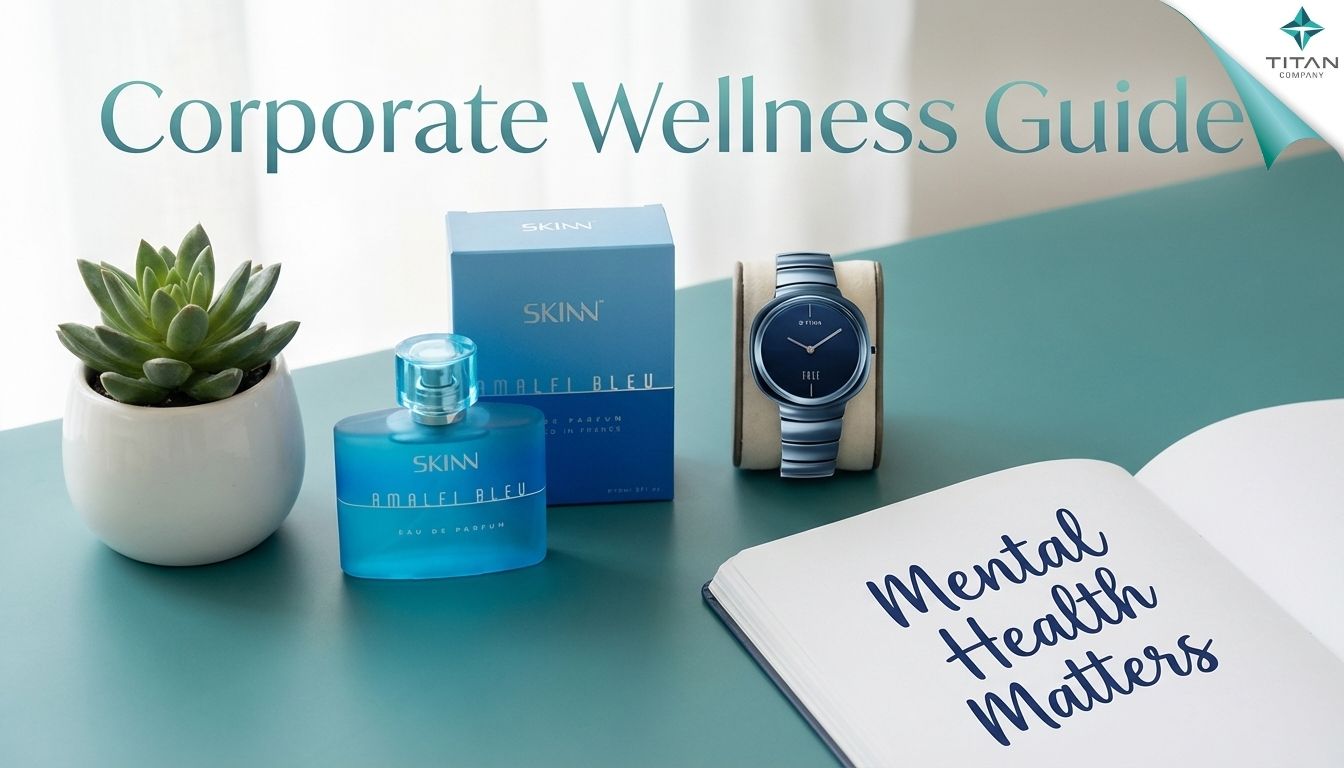
Employees should be encouraged and motivated by gifts such as high-quality smartwatches with wellness features, lifestyle accessories, or vouchers. These gifts not only show the employees they are appreciated but also build up motivation, which leads to high-performing employees. This is also where partnering with corporate gifting organizations like Titan Company can be beneficial, as companies can ensure that their employees receive the best.
Measuring the Impact of Mental Health in the Workplace Programs
Frequent evaluation helps companies improve their policies and practicies. To achieve this, organizations need to monitor:
- The rate of absenteeism and presenteeism
- Turnover vs. retention
- Enrollment in wellness programs
- The satisfaction level among employees
- Engagement survey data
- Productivity trends
Legal and Ethical Considerations for Mental Health in Corporate Settings
A legally sound and equitable working environment wins the trust of employees. Corporate leaders should focus on confidentiality, anti-discrimination, and labour laws. Ethical issues are:
- Avoiding stigma-based decisions
- Ensuring equal opportunities
- Offering reasonable accommodation
- Maintaining strict privacy in mental health disclosures
Conclusion
The long-term success of an organization is anchored in a healthy workforce. Workplace mental health awareness is a priority that empowers employees to succeed, increases productivity, and strengthens organizational culture. By strengthening mental health initiatives, investing in leadership development, and fostering well-being through sensitive appreciation, corporate executives create work environments where employees feel acknowledged, appreciated, and motivated.
FAQs
What are the signs of poor mental health in the workplace?
Fatigue, irritability, withdrawal, reduced productivity, frequent absenteeism, sudden behavioural changes, and difficulty focusing often signal deteriorating mental health at work.
How can managers support employee mental health effectively?
Managers can offer empathy, flexible arrangements, regular check-ins, reasonable workloads, and connect employees to wellness resources or counselling when needed.
How do you reduce stigma around mental health in corporate culture?
Promote open conversations, train managers, establish policies, encourage employee stories, and ensure leadership models support supportive behaviour.
How can corporate gifts support workplace mental health awareness?
Wellness-focused gifts like smartwatches, aromatherapy kits, journals, or fitness items encourage healthier routines and reinforce the organization’s commitment to mental well-being.
What metrics should companies track for mental health programs?
Track participation rates, retention, absenteeism, engagement scores, usage of EAPs, productivity levels, and employee feedback for meaningful assessment.