

Employees do not make the same contribution when they do not feel attached to their work. The effect is evident when they perceive that they are ignored. That is where considerate employee engagement ideas come in.
To CXOs, HR leaders, sales heads and operational managers, surface perks are no longer a point of conversation. The greater question lies: how can we find a way to make employees feel motivated in a way that is true and sustainable? While one initiative can help, it is rarely the only solution. Culture, consistency and minor daily habits all play a role.
When engagement becomes real, it enhances retention. These factors do interconnect more than most organizations would anticipate.
Key Takeaways
- True motivation comes from feeling genuinely valued and respected, not just from surface-level office perks.
- Retention improves when employees see paths for skill expansion and mentorship, even without a formal promotion.
- Generic praise is forgettable; acknowledging specific achievements makes employees feel truly seen.
- Small, daily habits like weekly appreciation notes are more effective than one-off annual events.
Why Employee Engagement Matters for Organisational Success
The point of engagement is not to have people busy. It is about connection and when employees have a sense of belonging to their job and their group, they tend to stay longer. They are not afraid to express themselves and do not need micro-managing. Imagine two groups of similar skill in the same organisation. One feels heard and valued, while the other is transactional. In the long run, there are performance gaps. It is often the aspect of culture and not competence. Great involvement decreases tension: fewer disagreements, fewer misunderstandings, more effective cooperation. It also lowers attrition.
What Drives Employee Motivation in the Workplace
Before designing programs, it is important to understand what drives people. While salary and career progression matter, employees also look for recognition, fairness, clarity and respect, among other things.
The core question behind how to motivate employees often circles back to one word: value. Do employees feel valued in practical ways? Consider this - if an employee completes a challenging project but doesn’t receive recognition, their enthusiasm may fade. On the other hand, when the efforts are recognised, it helps keep the momentum going.
So, motivation among the employees generally grows when:
- Work feels meaningful
- Contribution receives acknowledgment
- Growth paths are visible
- Leadership communicates openly
- Consistent recognition of efforts
How to Motivate Employees Through Leadership and Culture
Leadership shapes the atmosphere more than policy documents. Leaders who communicate clearly, admit mistakes and recognize effort create stability. This generally leads to increased motivation.
A culture that supports recognition does not need elaborate systems. It can include simple practices such as:
- Regular team check-ins
- Transparent goal discussions
- Public acknowledgment of contributions
- Open forums for feedback
Consistency matters more than scale. A short appreciation message every week can build stronger engagement than an annual event. Leadership presence also influences trust. When managers show up for team discussions and take concerns seriously, motivation follows naturally.
Practical Employee Engagement Ideas for Modern Teams
Many effective employee engagement ideas are practical and repeatable. Consider approaches such as:
- Monthly recognition highlights
- Cross-department collaboration projects
- Idea-sharing sessions where employees propose improvements
- Skill-sharing meetings where team members teach each other
- Internal appreciation boards
These practices support connection across teams and they help reduce silos and promote open communication. Engagement also grows when employees feel their voice matters.
Recognition and Reward Strategies That Boost Morale
Recognition does not always mean financial reward. Public acknowledgment, milestone appreciation and thoughtful gestures also carry weight. Moreover, employees often value recognition that’s specific. Generic praise does not go as far and direct acknowledgment of a particular achievement feels different.
Some effective options to consider are:
- Work anniversary celebrations
- Performance awards linked to meaningful contributions
- Personalized notes from leadership
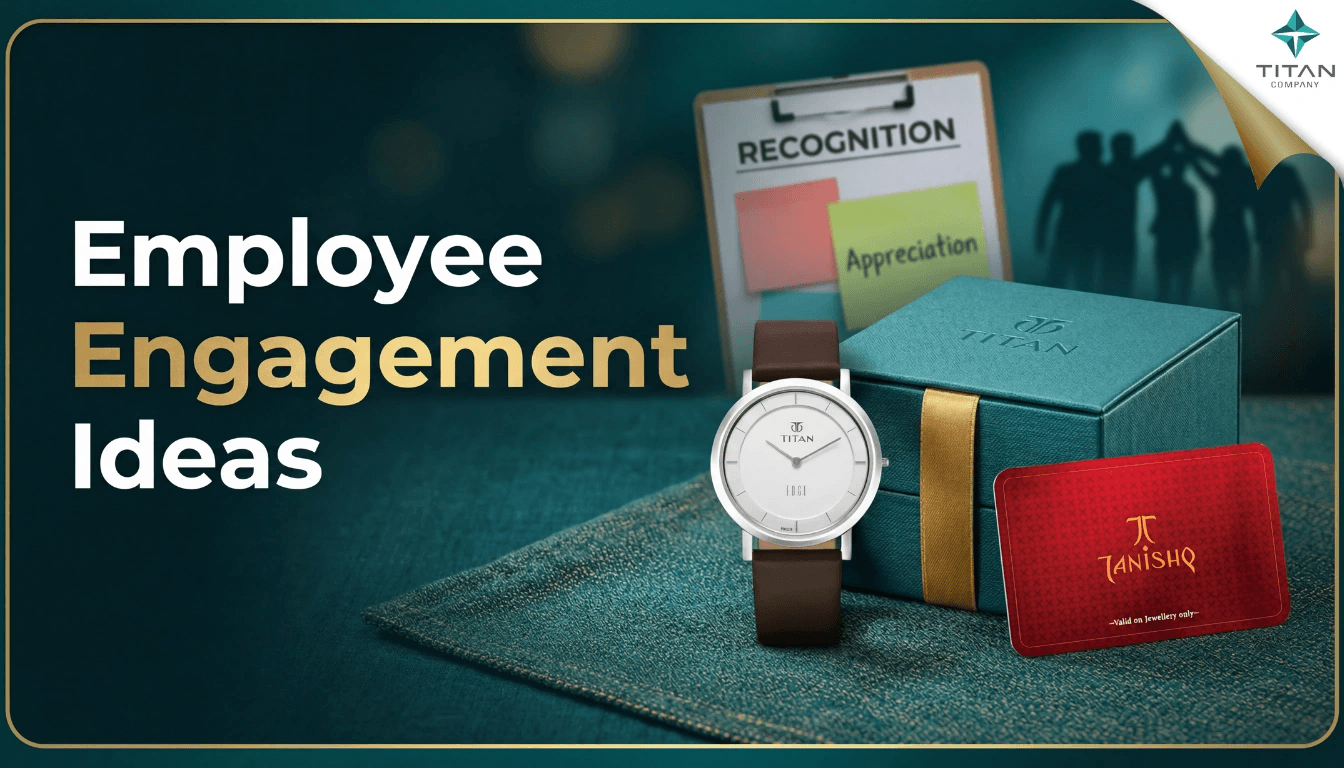
- Curated recognition gifts that reflect appreciation
When recognition becomes part of routine culture, morale improves and employees know their effort will not pass unnoticed.
Career Growth and Learning Opportunities
Stagnation affects motivation. Employees want growth, even if that growth looks different at different stages. Organizations can support development through:
- Internal mentorship programs
- Training workshops
- Cross-functional exposure
- Leadership development tracks
- Clear career path discussions
Growth does not always mean promotion. Sometimes it means skill expansion. When employees see forward movement, retention strengthens. A simple career conversation between a manager and team member can shift perspective. It shows interest in long-term development.
Flexible Work and Wellbeing Initiatives
Workplace expectations have evolved. Flexibility and well-being influence motivation deeply.
Where possible, consider:
- Flexible scheduling options
- Hybrid work arrangements
- Mental health awareness sessions
- Wellness initiatives
- Structured leave policies
Employees who feel supported in balancing work and personal life often show stronger engagement. Burnout reduces productivity while a sustainable pace supports retention.
Simple Ways to Motivate Staff on a Daily Basis
Daily practices matter more than occasional events. Managers looking for ways to motivate staff can begin with simple habits. For example:
- Start meetings with appreciation notes
- Rotate leadership of team discussions
- Offer constructive feedback promptly
- Celebrate small wins
- Encourage peer recognition
Improving Communication and Employee Involvement
Communication breakdown often causes disengagement. When employees lack clarity about goals or changes, uncertainty grows. Organizations can improve communication through:
- Clear performance expectations
- Regular updates from leadership
- Transparent decision explanations
- Feedback mechanisms
Employee involvement also matters. When team members participate in shaping processes, ownership increases. Listening sessions create space for dialogue. They signal that management values input rather than imposing direction.
Building a Positive and Inclusive Work Environment
Inclusion influences motivation. Employees who feel respected across backgrounds, roles and experiences show stronger engagement. Practical steps may include:
- Fair recognition across departments
- Clear anti-discrimination policies
- Inclusive leadership training
- Celebrations of diverse perspectives
Respectful workplaces reduce turnover; inclusion is not symbolic. But it shapes everyday interactions and employees stay where they feel seen.
How to Improve Employee Retention and Motivation Together
Retention and motivation move together. Efforts to address one often influence the other.
To focus on how to improve employee retention and motivation, organizations can align engagement strategies with long-term goals.
This alignment may include:
- Milestone recognition programs
- Clear progression discussions
- Manager accountability for team morale
- Structured feedback cycles
- Retention-focused reviews
When employees see that engagement is not a one-time initiative but part of a long-term culture, confidence grows and retention becomes a result of consistent engagement.
Addressing Burnout and Work-Life Balance
Burnout weakens motivation and long hours without acknowledgment create fatigue.
Leaders can respond by:
- Monitoring workload distribution
- Encouraging time off
- Supporting realistic goal setting
- Recognizing effort during high-demand periods
Balance does not reduce performance. It supports sustained performance. Employees who feel supported during intense phases often remain loyal.
Strengthening Manager–Employee Relationships
The manager-employee relationship influences the daily experience. Listening, clarifying expectations and constructive feedback from the managers builds trust. Trust supports openness. The frequent one-on-one conversations allow honesty to be discussed. Workers are able to be heard out at the initial stage and before disengagement has taken place. Good manager relations are usually better predictors of retention than merely compensation.
Conclusion: Creating a Sustainable Culture of Engagement
Momentum is created through recognition, open communication, growth opportunities and regular respect. Consideration of engagement ideas will always influence workplace culture. Retention is facilitated automatically when leaders know how to inspire employees in practical, human ways. Companies that invest in relation usually realize that motivation does not have to be driven all the time. Valued employees are likely to remain. They make their contribution in a more open-minded and committed way. Sustainable interaction is not about a once-in-a-while activity.