


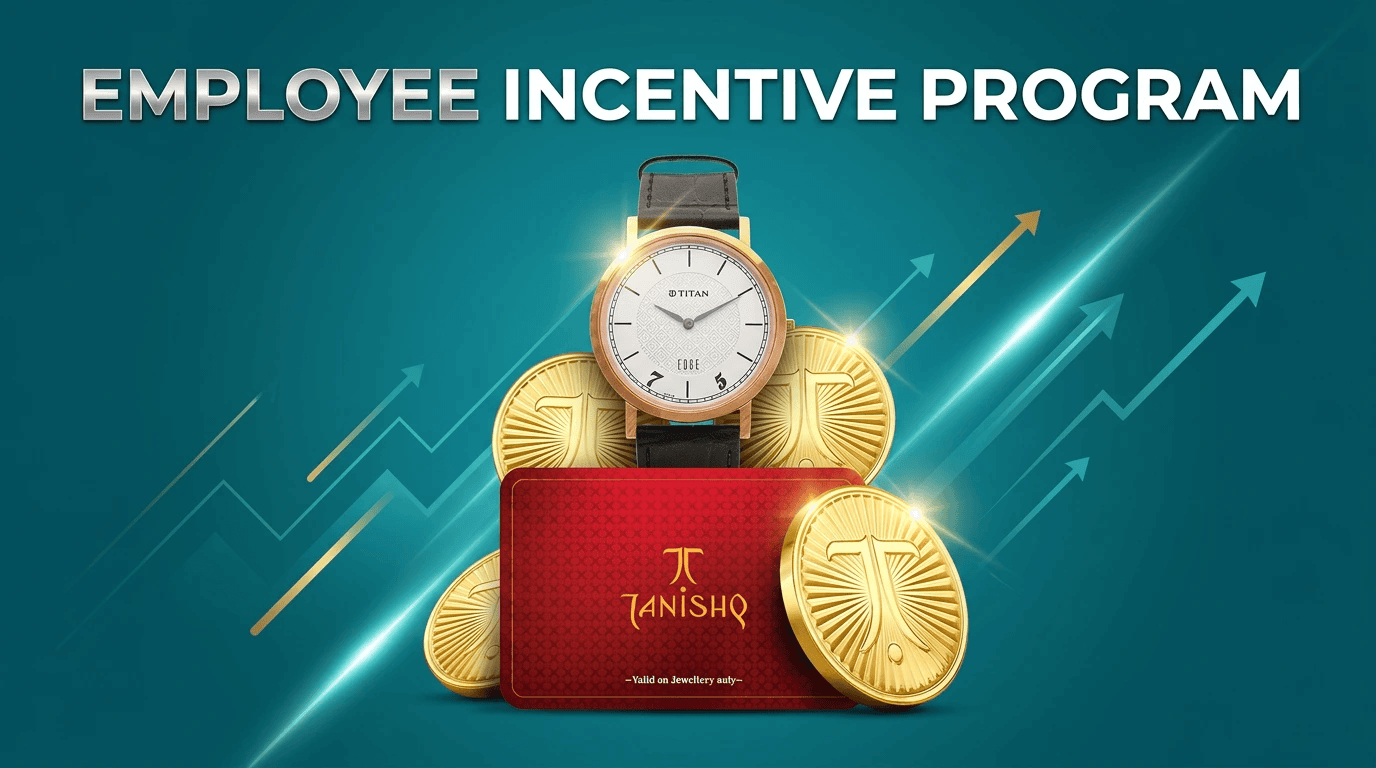
In every organisation, there comes a point when people show up, complete tasks and meet expectations, but something feels flat. The work continues, but the energy behind it shifts. This is where employee incentive programs come in play.
These programs are not just about pushing people to do more, they shape how employees feel about the work they and the company. Simply put, when recognition comes at the right moment, it changes how employees look at their role, not just their output.
Key Takeaways
- Effective employee incentive programs aren’t ‘one-size-fits-all’ but rather offer diverse options catering to different preferences and needs.
- Combining formal points-based systems with simple peer acknowledgment creates a balanced environment of consistency and respect.
- Non-monetary benefits such as flexibility, extra PTO and wellness support can help create more lasting loyalty than simple financial bonuses.
- Successful and best employee incentive programs drive future goals and rewards to celebrate past wins, balancing motivation with appreciation.
Benefits of Incentives for Employees and Business Growth
The link between employee incentives and business growth is subtle. When people feel that their work is noticed, they tend to stay consistent. They take ownership without being asked; conversations become easier and teams rely on each other more. It is not always visible in reports right away, but over time, the effect becomes clear; retention improves, collaboration strengthens and work feels less mechanical.
17 Employee Incentive Programs to Boost Productivity and Engagement
There is no single employee rewards and recognition program that works everywhere. What works for one team may not work for another. That is why the most effective employee rewards programs focus on variety. Different people value different things. Some prefer flexibility while others prefer something they can hold on to.
Incentive Programs for Dealers and Channel Partners
As important as performance may be, relationships are equally vital, particularly in enterprises whose success depends on networking. Implementing a systematic incentive program aimed at motivating dealers and partners will help to retain those relationships. Going beyond business transactions, this system can provide continuity that means a lot more than immediate profits.
Social Recognition Programs
All sorts of recognition do not necessarily have to be coupled with rewards. At times, acknowledging someone’s contribution is all that may be needed. Everyone likes being noticed for doing a good job, particularly when that happens among colleagues. Therefore, social recognition serves as a foundation of any employee reward and recognition program.
Points-Based Recognition Programs
The point-based reward program provides a structured approach that does not have to be overly formalized. Points earned during the course of work will accumulate and eventually be used to get rewarded. Such an approach creates an automatic cycle connecting effort and reward, which many effective employee incentive programs utilize.
Employee Referral Programs
Referral programs work on familiarity. Employees recommend people they trust and in return, they receive recognition or rewards. It is simple, but it builds a sense of ownership. This is one of the more practical employee incentive programs examples that fits across industries.
Professional Development Programs
Some incentives do not show immediate results. Learning opportunities, certifications and training programs often act as long-term incentives. For many professionals, growth matters just as much as recognition. Such staff incentive scheme signals that the organization is willing to invest in its people.
Profit-Sharing Programs
Profit sharing alters the perception of employment. When the employees realize the relationship between organizational performance and benefit, a change in attitude results. The perception shifts from personal work towards common achievements.
Health and Wellness Programs
The wellness programs are indicative of something that goes beyond the scope of performance. Such programs indicate that the organization values its employees as individuals rather than performers only. The provision of health services, mental well-being programs and the like fall into this category. These benefits tend to have a longer-lasting impact than monetary ones.
Tuition Reimbursement Programs
Education assistance is an effective motivational technique. Those staff members who are interested in developing and learning will appreciate this kind of reward as a benefit for a long period. In other words, education helps them to move further without leaving their position in the company. This aspect can improve loyalty.
Bonuses and Salary Increases
Bonuses and increments are quite straightforward and easily comprehended as a form of recognition. However, the effectiveness of monetary rewards greatly depends on the way the bonus system is organized. They are highly motivating when employees perceive them as a reward for effort; otherwise, bonuses and increments become routine and thus ineffective.
Gifts and Non-Monetary Rewards
Giving monetary rewards every time is not necessary. Sometimes, small gifts that were chosen carefully are much appreciated by employees. As a rule, the younger generation prefers gadgets or other useful accessories, while some people prefer gifts that symbolize some achievements or events. Consider the example: when an employee spends 10 years at work, he or she deserves some kind of gift.
Additional Paid Time Off (PTO)
Time is a great motivator as well. Time bonuses are always welcome. The extra rest makes the effort spent worthwhile, which explains its efficiency. For some positions, such a reward is very motivating and appropriate.
Comprehensive Employee Benefits Programs
Benefits create stability. Though insurance plans, pension programs and family-friendly policies are not seen as something that brings immediate gratification, such initiatives help create the perception regarding a company among its workers. Moreover, such benefits have an impact on career decisions.
Human Resource Development Programs
Development programs focus on future roles. Mentoring, leadership training and structured growth paths help employees see where they are headed. That clarity keeps them engaged. These programs form a deeper layer of corporate reward programs for employees.
Performance Management Programs
Systems of performance create order, but there should be a balance created through recognition. Employees know their duties and see how their hard work will be rewarded. Systems of performance without recognition seem to lack completeness.
Travel Incentive Programs
Incentives that are based on travel create quite a unique effect. Such an initiative provides employees with experience rather than material things. This approach is suitable for top-performing employees who do not require regular motivation.
Commission-Based Incentives
Employees who work on a commission basis are usually motivated by the promise of receiving payments in return for successful sales made by them. Such incentives provide performance continuity and measurability.
Flexible Work (Flextime) Programs
Work flexibility plays a significant role in evaluating the value of work. Giving employees the freedom to control their schedule makes them feel more relaxed about the working process. This type of incentive works just as well as financial motivation.
Conclusion
Incentives are not just tools for performance. They shape how people experience their work over time. The most effective employee incentive programs are not always the most elaborate ones. They are the ones that feel timely, relevant and aligned with what people actually value. When recognition becomes part of everyday work, the difference is noticeable. Work feels less transactional. Effort feels visible. And slowly, that builds a workplace where people choose to stay and contribute with consistency.