


Key Takeaways
- Most companies understand the value of referrals, but the real hurdle is motivating employees to actively participate in the program.
- Employee preferences change over time, meaning programs should segment rewards to appeal to early-career, mid-career, senior, and remote workers differently.
- The most effective referral programs prioritize a simple submission process, clear communication, and consistent tracking updates.
- Larger cash rewards do not automatically equal better results; incentives work best when they are personally meaningful, memorable, or flexible.
Introduction
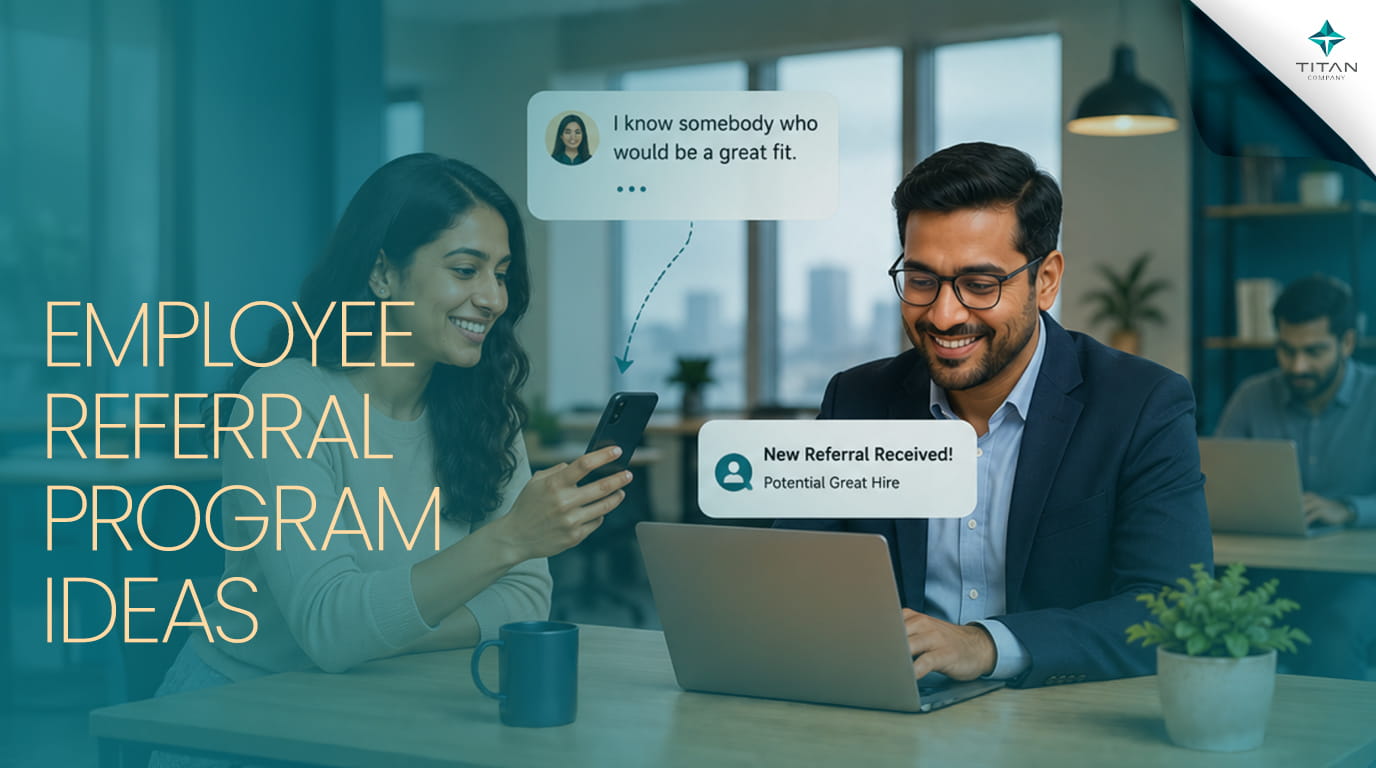
A hiring team spends six weeks searching for a difficult role. Recruiters speak to dozens of candidates. Agencies submit profiles. Interviews take place. Progress feels slow. Then an employee sends a message to the hiring manager. "I know somebody who would be a great fit." Many successful hires start this way.
Most organizations already understand the value of referrals. The bigger challenge is participation. Employees may know that a referral program exists, but that does not automatically mean they will use it. Programs generate better results when employees feel their effort is recognized and when the reward feels relevant to their lives. That is where thoughtful referral rewards make a difference.
What Is an Employee Referral Program?
Most employee referral programs begin long before someone submits an application for the role. An employee works with a former colleague whom they respect. A manager stays connected to talented people from a previous organization. Professional relationships are built over years. An employee referral program simply creates a process around those existing connections. Instead of relying on chance conversations, organizations create a formal way for employees to recommend people for open roles and receive recognition when those referrals lead to successful hires. The strongest programs feel simple. Employees know where to submit referrals, understand what happens next, and receive updates throughout the process.
What Are the Benefits of an Employee Referral Program?
Hiring leaders often notice a pattern with referrals. Candidates arrive with more context. They usually understand something about the organization before the first interview. Expectations tend to be clearer from the start.
Some of the employee referral program benefits include:
- Faster hiring
- Better candidate quality
- Higher engagement
- Lower hiring costs
- Stronger retention
Employee Referral Program Ideas That Encourage More Referrals
One of the biggest misconceptions about employee referral programs is that bigger rewards automatically produce better results. In practice, participation often depends on whether employees find the reward meaningful. Most organizations fall behind here; good referrals come from good employee referral program incentives.
Digital Gift Vouchers and Gift Cards
Many HR teams discover something interesting after running referral campaigns. The reward employees say they want is not always the reward they receive. A gift voucher solves that problem because it allows employees to make their own choice. Some use it for personal purchases. Others buy something for family members. The organization sets the value, while employees decide what matters most.
Experience-Based Rewards
Some rewards stay with people longer because they become memories. A dining experience, weekend activity, wellness session, or personal interest experience often feels different from receiving another physical item. Employees may forget the value of the reward. They usually remember the experience.
Spot Recognition Awards
Recognition does not always need a large budget. A public thank you from a respected leader can leave a lasting impression. Employees often remember genuine appreciation long after they forget the reward attached to it. This is one reason many organizations combine employee referral program incentives with on-the-spot rewards and recognition.
Team-Based Referral Challenges
Recruitment affects entire teams, not just hiring managers. Some organizations create referral challenges where departments work together to help fill critical roles. Friendly competition can increase awareness while creating stronger participation across the business.
Exclusive Learning and Development Rewards
Career growth remains valuable at every stage of employment. Learning vouchers, certifications, workshops, and conference access recognize referral contributions while helping employees build new skills.
Additional Paid Time Off
Many leaders underestimate how valuable time has become. A cash reward may disappear into everyday expenses. An additional day off often feels more memorable because employees connect it directly to something personal.
Annual Referral Leaderboards
Recognition can extend beyond individual referrals. Leaderboards help acknowledge employees who consistently contribute strong candidates throughout the year. Visibility matters. People like knowing their contributions are recognized across the organization.
How to Choose the Right Referral Rewards for Different Employee Groups
Not every employee values the same reward. A recent graduate may prefer experiences or flexible gift cards. A mid-career professional may appreciate family-focused rewards. Senior employees often value premium experiences, recognition, or professional development. Here are some employee referral program incentive ideas for employees in different career stages:
- Early-career employees: Gift cards, experiences, learning subscriptions
- Mid-career professionals: Family-focused rewards, flexible benefits
- Senior employees: Premium rewards, executive experiences
- Remote employees: Digital rewards and online experiences
- Project teams: Shared team experiences
How to Measure Whether Your Employee Referral Program Is Actually Working
Many organizations focus on the number of referrals submitted. That number tells only part of the story. A better question is whether referrals are leading to successful hires. Useful metrics include:
- Referral-to-hire ratio
- Time-to-fill positions
- Candidate retention rates
- Employee participation rates
- Cost-per-hire
An employee referral program that generates fewer but stronger candidates often performs better than one producing large volumes of unsuitable applications.
Conclusion: Start with the Right Reward and the Rest Follows
Most employees already know talented people who could contribute to the organization. Employee referral programs simply create a reason to act on those connections. The most effective programs rarely succeed because they offer the largest reward. They succeed because the process is easy, communication remains consistent, and employees feel their contribution matters. When those elements come together, referrals often become one of the strongest hiring channels available.