

Even a loyal customer will lose interest in the company if there are no loyalty reward schemes that keep them engaged. Nowadays, customers are attracted to new products and companies; therefore, they compare them, analyze their performance, and are always ready for a quick change. This tendency has pushed companies to focus on implementing loyalty reward schemes because it fills the gap. These programs do not necessarily involve offering something expensive or big; sometimes, making them feel like they are important is enough.
Key Takeaways
- Modern programs focus on building long-term habits; customers return when they feel recognized and valued as individuals rather than just transactions.
- Tiered and milestone systems use the psychology of "progress" to keep users engaged, as people are naturally driven to unlock the next level.
- Points-based programs remain a top choice because they are familiar and easy to understand, lowering the barrier for customer entry.
- Successful schemes mix instant rewards (cashback) with aspirational benefits (VIP access) to satisfy both immediate and long-term desires.
What Are Loyalty Rewards Programs?
On paper, a rewards program looks simple. Customers engage and they get something back. But in reality, it works more like a pattern that builds over time. A person buys once, comes back again and maybe interacts a few more times. At some point, they receive something in return. That moment stands out more than the reward itself.
For instance, think of a person who buys on regular basis for a period of several years without any problems at all. If the company recognizes their loyalty, they are more likely to continue being a returning client. That is why most examples of customer loyalty scheme implementation are focused on building long-lasting relations with clients.
20 Successful Loyalty Rewards Programs for Businesses
If you look at different loyalty rewards program examples, there is no single formula. Some are built for frequent buyers. Some reward long-term relationships. Some focus on experiences instead of tangible rewards. The common thread among the examples of customer loyalty schemes is that not the format itself but how well the program fits the people it is meant for.
Points-Based Loyalty Programs
Points-based system are among the successful loyalty programs examples. One of the reason for this is that they are familiar, which makes them easy to accept. Customers collect points and use them later. It feels straightforward and predictable. That predictability is what makes these successful loyalty programs work across industries.
Tiered Loyalty Programs
The tier system is also among successful loyalty schemes examples because it adds a sense of progress to the experience. As customers advance through the levels, each level gives them a feeling of progress. Such a model doesn't require any work but still provides people with a sense of movement. Progression will motivate most consumers.
Cashback and Rebate Programs
When it comes to cashback, everything becomes quite straightforward. Customers get rewards in the form of money for their purchases. The advantage is obvious; some users may appreciate getting something straight away without saving anything first.
Subscription-Based Loyalty Programs
Subscriptions change the way of interacting with brands. People choose to stay with a particular service for longer. As a result, they gain new advantages over time. The shift is from irregular to permanent interaction.
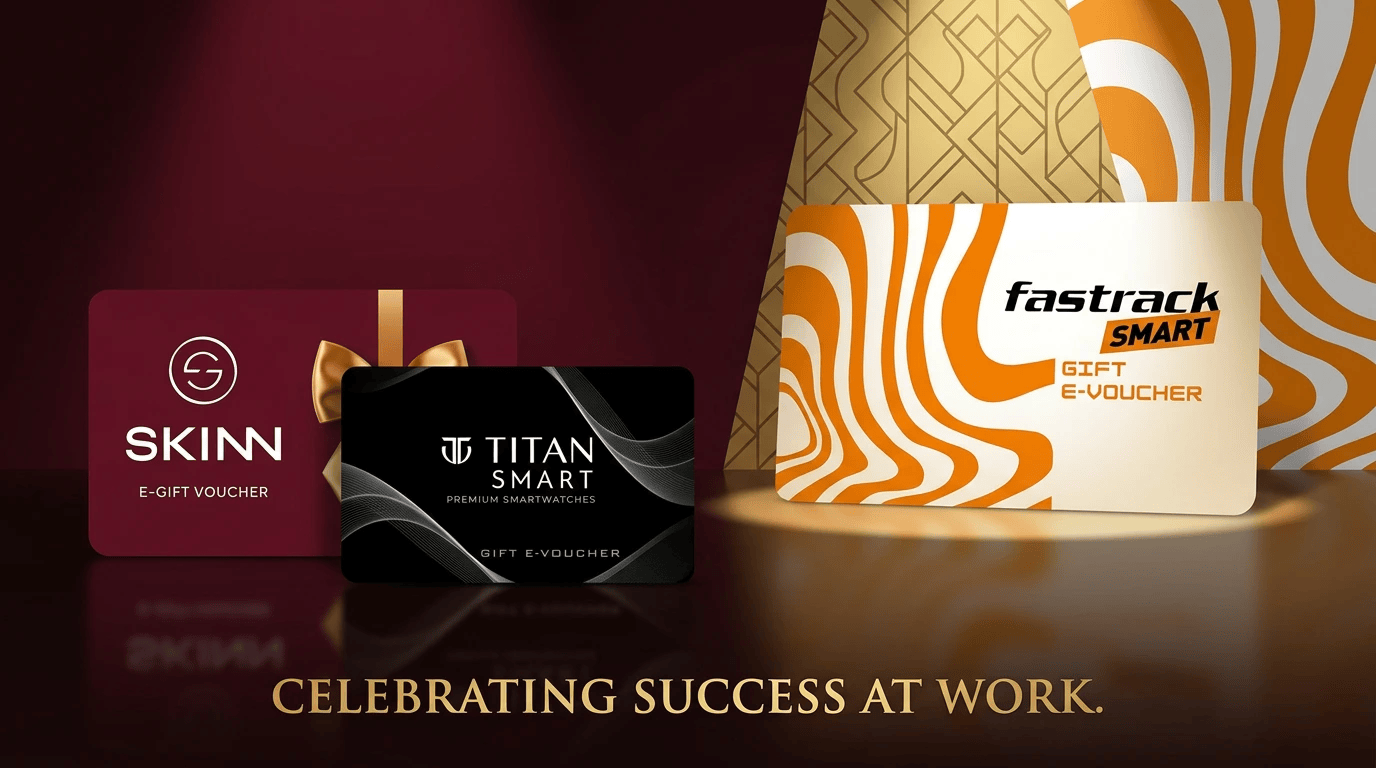
Gift Vouchers in Loyalty Rewards Programs
Vouchers allow giving more freedom within the context of the loyalty program. While some users prefer immediate use of the reward, others opt for patience and choose appropriate conditions for using their rewards.
Referral Loyalty Programs
Referral programs use the simple principle of recommending products. What users already know and trust becomes something valuable for them. That is the reason why referrals are genuine among all other formats.
Gamified Loyalty Programs
Gamified initiatives introduce a level of interaction. Consumers take part in mini-games or achieve particular goals. It helps avoid monotony. For specific demographics, it makes the whole process exciting.
Value-Based Loyalty Programs
Value-aligned initiatives resonate with the interests of consumers. They are not about giving the same benefits to everybody. Instead, they can reflect certain values or preferences. These might be sustainability-related or relate to community building or individual views. Such alignment gives extra meaning to the program.
Coalition Loyalty Programs
Coalition programs are one of those customer loyalty programs examples that expand beyond one business. Customers earn rewards across multiple brands. This gives them more options and makes the program feel less limited.
Paid VIP Membership Programs
VIP programs are about exclusivity. Customers choose to be part of something that offers priority or access that others do not have. For some, that feeling of belonging matters as much as the benefits.
Digital Wallet and App-Based Programs
Digital forms help maintain regular engagement. Customers do not have to keep track of anything and do not have to carry it around. They can access all information through their smartphones or digital wallets.
Experiential Rewards Programs
Experiences leave a more memorable impression. The right moment is always more significant than a regular reward. It becomes an experience and not just a simple transaction.
Personalized Loyalty Programs
Personalization alters the perception of rewards. With a personalized program, the consumer sees its unique nature.
Hybrid Loyalty Programs
Hybrid programs combine different formats. They may include points, tiers and experiences all in one system. This creates flexibility without making things confusing.
Instant Rewards Programs
Instant reward schemes revolve around timing. Customers get rewarded immediately after performing an action, and this timing keeps things going.
Milestone-Based Loyalty Programs
Milestone schemes have particular occasions in mind. The moment customers attain a certain milestone, they earn a reward. This achievement ensures that they remain loyal.
B2B Loyalty Programs
Business-to-business loyalty schemes are unique because of how loyalty is built there. Here, loyalty happens infrequently but in an organized way.
E-commerce Loyalty Programs
E-commerce loyalty schemes aim to keep customers coming back again and again. These schemes make this process as simple as possible for them.
Omnichannel Loyalty Programs
Omnichannel schemes ensure that regardless of whether customers interact online or offline, their experiences remain the same. Consistency breeds trust.
AI-Driven Loyalty Programs
Artificial intelligence loyalty schemes work on the behavior of individuals. As they adapt to individuals, their behaviors become clearer to them.
How to Choose the Right Loyalty Rewards Program for Your Business
Choosing the right program often comes down to understanding people. Some customers prefer flexible rewards like vouchers or savings. Others value experiences or something they can associate with a moment.
It helps to look at:
- What your customers actually respond to
- How often do they engage
- Whether they prefer immediate or long-term benefits
The goal is not to offer everything. It is to offer something that fits naturally.
Conclusion: Driving Growth with Loyalty Rewards Programs in 2026
A strong loyalty rewards program does not rely on complexity. It relies on consistency. Customers return when they feel recognized, even in small ways. Over time, that recognition builds a pattern. And once that pattern sets in, loyalty stops being something businesses chase. It becomes something customers choose.