

Workdays tend to follow a pattern after a point. Teams look at the same dashboards, same calls and same targets. This is where office fun activities start to matter because they act as small breaks that reset the day and the flow.
A quick activity, even of just 10 minutes, can shift how people walk back to their desks. Think about a team that has been pushing toward a quarterly goal. Over time, the energy is likely going to dips slightly. But with a short and fun shared activity in the middle of the day, it can be retained.
Key Takeaways
- Short breaks through fun office activities act as a mental reset, preventing burnout and keeping team momentum high.
- Informal games break down professional silos, making future collaboration feel more natural.
- The best activities are quick and require zero preparation, fitting easily into the workday.
- Activities should accommodate remote staff and different personality types to avoid isolation.
Why Office Fun Activities Matter for Employee Engagement
Not all people require significant rewards to feel appreciated. In fact, what some individuals require is simply a reprieve from a purposeful schedule. With the engagement of a team in something fun to do, walls come down and interactions become much easier. Those individuals that hardly ever communicate while at work begin sharing ideas and opinions. Here comes into focus the part played by fun work-related activities. Not necessarily do they shape culture, but they make an impact on how an individual perceives the daily schedule.
Fun Office Games for Employees to Boost Team Spirit
Games work best when they do not feel like an obligation. Some of the most effective fun office games for employees are the ones that people can join without preparation, such as:
- Quick quiz rounds for casual competition
- Short logic puzzles solved in teams
- Icebreaker games
These moments feel light, but their impact is lasting as the next time the same people collaborate, their interaction is less likely to feel formal. This also boosts collaboration among the team members.
Quick and Easy Office Games for Daily Engagement
Not every activity needs planning or a calendar slot. A quick game to start the day or between breaks can do more than an event. While these may be small, they fit naturally into the day. This is what makes them work.
Some activities to consider are:
- A simple question round to start the day
- A quick challenge during tea breaks
- A short “guess the answer” activity
Fun Work Activities to Improve Collaboration
Some activities move beyond fun and quietly improve how teams work together. These fun work activities help people listen, respond and adjust. That skill carries into everyday work without anyone calling it out. Examples include:
- Group challenges that are timed, which help improve problem solving, communication and other skills
- Activities where every member contributes one idea to build something bigger
- Simulations that mirror real work situations to boost collaboration
Creative Activities for Team Bonding at Work
Not everyone connects through competition. Some teams respond better to creativity.
- Designing something together, even if it is just for fun
- Sharing personal interests or hobbies in short sessions
- Presenting ideas that have nothing to do with work
These moments allow people to step out of their roles for a bit. That shift often changes how they see each other.
Fun Office Activities for Team Building
When the focus is on bonding, a bit more structure helps. Imagine a team working through a challenge where one person holds part of the solution and another holds the rest. Clear communication plays an important role here.
Some fun office activities mirror real work situations and dynamics more than expected. These include:
- Team-based challenges that involve coordination
- Puzzle-solving tasks where roles naturally emerge
- Activities where teams depend on each other to complete a goal
Group Activities for Better Communication and Trust
Trust does not build in formal meetings. It builds in small, informal moments. Some activities to build trust and communication are:
- Open discussions where people share perspectives
- Light debates on simple topics
- Activities where people appreciate each other’s strengths
These are not heavy exercises and they work because they feel natural.
Indoor Office Fun Activities for Small Teams
Smaller teams often need quieter formats and some of these are:
- Board games during breaks
- Informal storytelling sessions
- Short group discussions over coffee
These activities work because they do not disrupt the flow of the day.
Virtual Office Fun Activities for Remote Teams
Remote teams need more deliberate effort. Without casual interactions, everything becomes task-focused. Consider:
- Online quizzes
- Virtual games that involve participation
- Sessions where people share something personal, like a hobby or interest
These activities recreate a sense of connection that usually happens in physical spaces.
Budget-Friendly Office Fun Activities
Not everything needs a budget. Some of the most effective ideas are simple:
- Peer recognition moments
- Team shout-outs
- Informal competitions
What matters is not the scale. It is the consistency.
Best Ways to Motivate Employees During Activities
Recognition plays a quiet but important role because people often participate more when they feel seen. So, focus on:
- Acknowledging effort, not just winners
- Rotating participation so everyone gets involved
- Adding small rewards without making it competitive
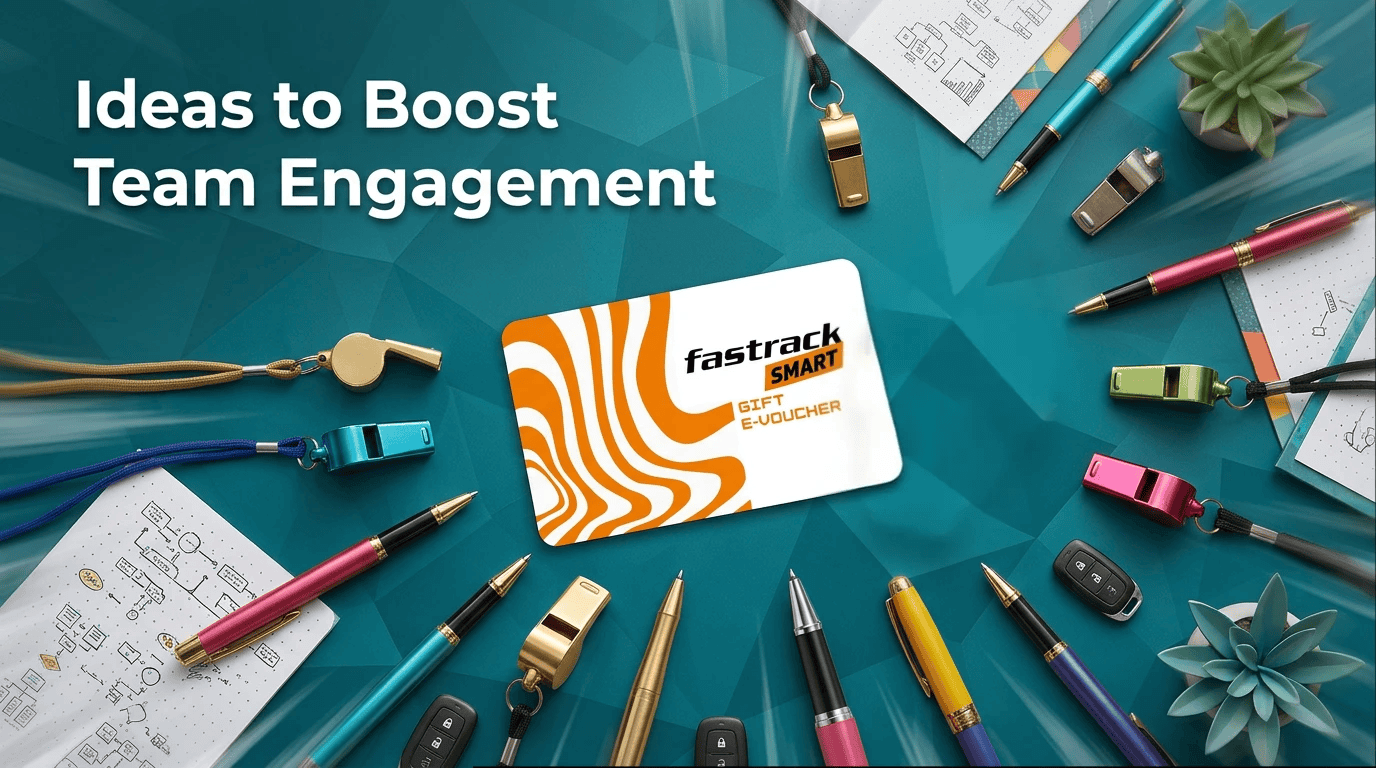
Gift Vouchers for Flexible and Instant Rewards
When it comes to rewarding employees, flexibility plays an important role. Gift vouchers are effective because they allow people the freedom to choose what they want. While one employee may use it for practical purposes, the other can use it for luxury or something else.
Watches as Premium Recognition Gifts
There will be times that call for a more permanent gift option. For instance, someone has completed ten years in the company. Just giving away a reward may seem insufficient at such a point in time. On the other, gifting watch would be more appropriate for such a situation because it symbolizes consistency and becomes more than just a gift.
Fragrances as Personalised Reward Options
Fragrances differ in their nature when compared to other types of rewards. They are generally awarded when the intent is a more personal one. Younger individuals may go for accessories and devices whereas others may opt for something traditional.
Gold Coins for Milestone and High-Value Recognition
For major milestones, symbolic value becomes important. Gold carries a sense of permanence. It is often kept rather than used immediately. That makes gold coins suitable for long-term recognition.
Silver Coins for Celebratory Occasions
Silver Coins work well for lighter celebrations. They still feel meaningful but fit occasions that are less formal, like festivals or team achievements.
How to Plan Successful Office Fun Activities
Planning fun office activities doesn’t need to be complicated. It’s important to make ensure it doesn’t feel forced, as that would discourage participation. A few simple considerations include:
- Keep activities short
- Match them to team preferences
- Avoid overloading schedules
- Change formats from time to time
Common Mistakes to Avoid in Office Engagement Activities
Some patterns tend to reduce participation. So, balance is what keeps things sustainable. Here’s what to be mindful of:
- Making activities too frequent
- Turning everything into competition
- Ignoring what the team actually enjoys
- Overcomplicating simple ideas
Conclusion: Creating a Fun and Productive Work Environment
Engagement in an office space is not defined by continuous engagement. Timing and the appropriate events are important aspects. Organized fun activities in office spaces create such timing. Such activities take people out of their usual routine long enough to allow them to return with fresh minds. Office fun creates interactions that would not be had otherwise. These small interactions affect the cooperation style between members of the group, although indirectly. In subtle ways, they allow the space to become humanized.