

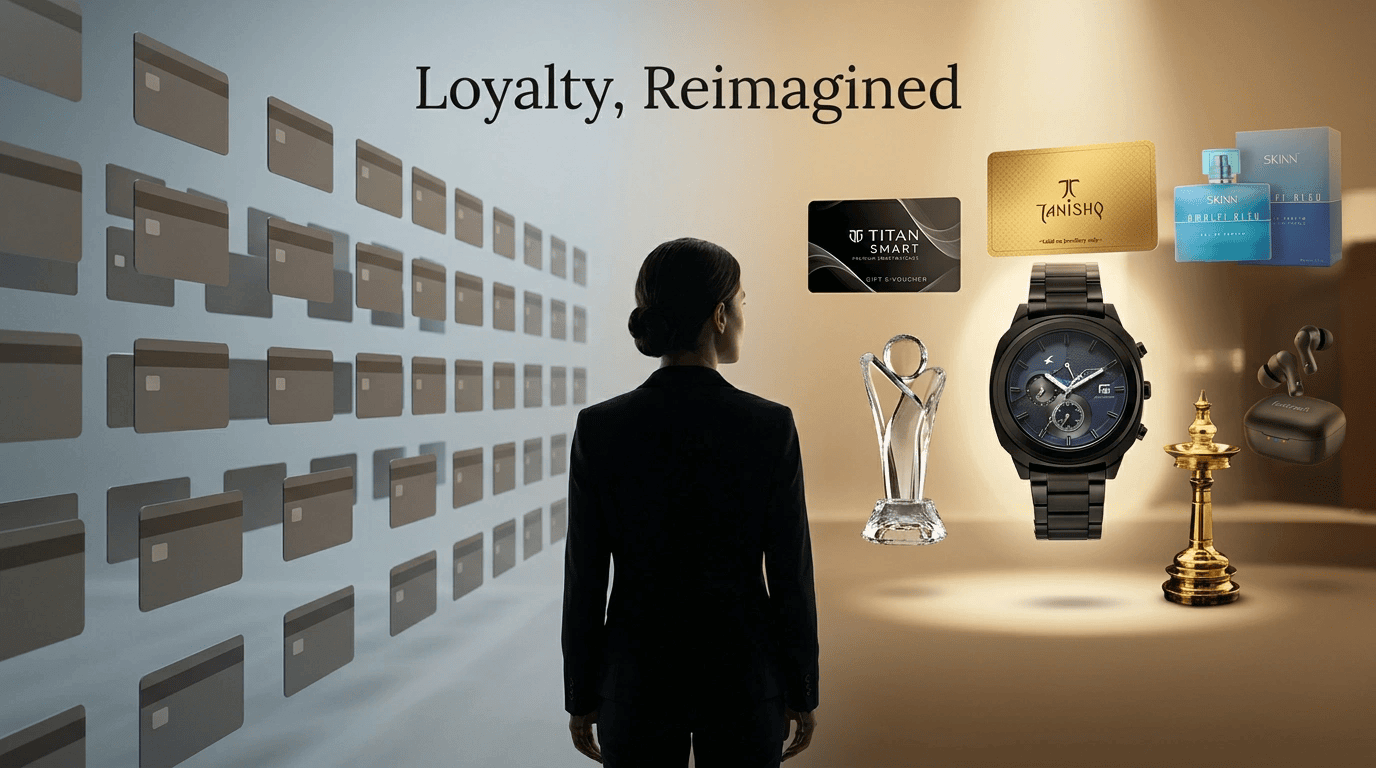
There is a shift happening in how businesses think about loyalty. For years, companies relied on simple systems. Customers earned points, collected benefits and returned when it made sense. It worked for a long time. Now the expectation feels different. Customers do not just want rewards; they want relevance. They want to feel understood in small, practical ways. This is where the conversation around personalized loyalty programs starts to take shape. Not as a replacement for older models, but as an evolution of them.
Key Takeaways
- Traditional loyalty programs provide a simple, consistent, and scalable foundation that works well for broad customer bases.
- Modern consumers now prioritize relevance, shifting the focus toward personalized loyalty programs that make individuals feel understood.
- Traditional and personalized models are not mutually exclusive, as many businesses successfully combine both for better engagement and operational ease.
- The primary goal of any loyalty strategy remains the same: driving long-term retention by building trust and reducing the burden of customer acquisition.
What Are Loyalty Programs and Why Are They Important for Businesses?
Before moving onto discussing loyalty program strategies, it would be prudent to answer the basic question – what are loyalty programs? Loyalty programs are systematic methods for companies to reward their customers' continuous participation in various processes. The idea behind loyalty programs is simple – customers buy, interact, connect with companies, and get rewarded for their actions. The necessity to implement loyalty programs gradually becomes apparent, as their significance cannot be ignored.
How Loyalty Programs Work: A Simple Explanation for Businesses
From a structural standpoint, loyalty programs are not too difficult to explain. To grasp the idea of how loyalty programs operate, one should picture the following process in their mind: customers interact with the company and receive some sort of reward, which they will later use, resulting in another interaction. Such a cycle repeats itself throughout time and builds a relationship between the company and its customers.
What Are Traditional Loyalty Programs?
Traditional Loyalty Programs follow a standard structure; they treat customers in a similar way. Everyone earns the same points for the same actions. Rewards are fixed and the system is consistent. This model works because it is simple. Customers understand it without effort. Businesses can scale it easily. For a long time, this approach was enough.
Key Features of Traditional Loyalty Programs
A few characteristics define traditional systems:
- Uniform rewards for all customers
- Fixed earning structures
- Clear, predictable redemption rules
- Limited variation in benefits
These features make the program easy to manage. They also make it easy for customers to understand. However, they do not always reflect individual preferences
What Are Personalized Loyalty Programs?
This is where personalized loyalty programs begin to differ. Instead of treating all customers the same, they adjust rewards based on behavior, preferences, or past interactions. The structure remains, but the experience changes slightly for each customer. For example, one customer may receive practical rewards, while another may receive access-based benefits. The system adapts without becoming complex for the user.
How Personalized Loyalty Programs Use Data and Insights
Personalization depends on observation. Businesses examine patterns. What does the client buy? How frequent are their visits? What triggers their actions? This does not mean using highly advanced systems. Sometimes basic understanding helps to make appropriate choices. The main aim of personalization is not complicating the process, but making people feel appreciated.
Personalized Loyalty Programs vs Traditional Loyalty Programs: Key Differences
These differences become apparent once they are put next to each other. Conventional systems pay attention to consistency, whereas personalized programs emphasize relevance. Both methods are effective in their own way, but for different needs.
Differences in Customer Experience and Engagement
It is impossible not to notice the difference in customer experience. The traditional loyalty programs feature repetitive experience. People know what kind of rewards they get from the business. It is different with personalized programs. Small distinctions in the form of rewards and their timely appearance make customers believe that their needs were taken into account.
Differences in Rewards and Incentive Structures
Reward structures also vary. Conventional loyalty programs use fixed rewards such as point, discounts or other benefits predetermined in the program structure. Personalized programs modify them to meet changing needs and preferences. The types of rewards offered or the schedule in which the benefits will be provided can change based on the needs of a particular consumer.
Personalized Loyalty Programs Examples Across Industries
As you analyze some examples of personalized loyalty programs, certain patterns become evident. Offers from retail businesses will depend on the purchasing history of consumers. Service industry will use personalized loyalty programs to provide special benefits to customers based on their frequency or type of use of the services. Even in a business-to-business context there might be personalized loyalty programs with special offers customized to fit a particular client.
Traditional Loyalty Programs Examples for Comparison
Conventional programs are still widely used. Point systems offered in retail stores, membership card programs or fixed reward system fall into that category.
Benefits of Personalized Loyalty Programs for Customer Retention
Relevance is the main benefit of personalized loyalty programs. Customers are likely to react to offers that meet their criteria. Such an approach can increase engagement without adding extra offers. As a result, higher retention will be achieved not through the size of the rewards, but their relevancy.
Challenges of Traditional Loyalty Programs in Modern Markets
At the same time, there are several disadvantages that must be considered for traditional reward schemes. They may seem repetitive and unrelated to individual activities of customers. Eventually, customers might become used to these offers and start ignoring them. However, this does not mean that such schemes are ineffective. Rather, some changes may be required.
Why Loyalty Programs Are Important for Long-Term Business Growth
Revisiting the idea of why is a loyalty program important , the answer becomes clearer over time. Retention reduces cost; familiar customers require less effort to engage. They also contribute to stability in revenue. For employees and teams managing these programs, it also brings clarity. When customer behavior becomes predictable, planning becomes easier.
How to Choose Between Personalized and Traditional Loyalty Programs
Whether one should use personalization or traditional scheme depends on the context. In case simplicity is preferred over anything else, a traditional approach can be considered. However, if customer preferences are changing and more engagement is needed, a personalized approach should be adopted. The majority of companies use both methods at the same time.
Conclusion: The Future of Loyalty Programs Is Personalization
Loyalty programs have been around before. What has changed now is the way in which such programs will be offered. No longer do consumers want to be promised rewards but rather expect to be offered something more meaningful – relevance. There will not be a move away from traditional schemes but rather, an addition to them, where the need arises. Thus, it is quite clear that personalized loyalty programs are just the next step in the evolution of such programs.