


Key Takeaways
- Successful corporate gifting campaigns focus on meaningful connections, thoughtful gift selection, and long-term business relationships rather than simply giving branded products
- Corporate gifting success stories from IIMA, Karnataka Bank, Taj Mahal Hotel, TCS, and SKF show how milestone gifting recognizes employees, partners, and stakeholders for their contributions
- Corporate gifting for brand legacy helps established organizations strengthen trust, celebrate shared achievements, and maintain relationships across generations
- The most effective corporate gifting campaigns prioritize relevance, timing, and emotional value, making recipients feel appreciated while reinforcing brand values
A gift from a company can mean more when it recalls a shared experience or marks a milestone that people have worked towards for years. The corporate gifting campaigns from IIMA, Karnataka Bank, Taj Mahal Hotel, TCS, and SKF offer five examples of this idea. From an alumni reunion to a company centenary, each occasion called for a gift with a connection to the people or institution behind it. Corporate gifting also has a place in India's wider rewards market. Research and Markets reported that corporate buyers accounted for 61% of India's gift card and incentive card market value in 2025. This figure applies to gift cards and incentive cards, not the entire corporate gifting market.
Why Corporate Gifting Campaigns Matter for Legacy Brands
Legacy brands carry more than just products or services. They carry memories, empathy, and appreciation. Employees, partners, and institutions associate these brands with decades of trust. Corporate gifting becomes one way to protect that trust while acknowledging change.
When a brand marks a milestone, gifting often acts as a bridge between generations. Long-serving employees see continuity, whereas new stakeholders see stability. The gift itself may be simple, but the signal stays strong. For people on the receiving end, especially employees, such gestures say that effort over time still matters. This recognition often shapes how they approach their work in the years ahead.
What Makes a Corporate Gifting Campaign Truly Successful?
A strong campaign usually avoids spectacle. It focuses on relevance and the gift that fits the moment. One key aspect of brand gifting campaigns is ensuring employees understand the message and the sentiment behind the gift.
Most corporate gifting success stories share one trait: They respect the relationship rather than trying to impress. Gifting that supports a larger narrative often works better than one-off gestures. Milestones, anniversaries, and institutional moments naturally provide that narrative.
IIMA’s Institutional Corporate Gifting Campaign
Academic institutions don’t approach gifting casually because their relationships extend across decades, sometimes generations. So, when IIMA planned its institutional gifting, the goal was not celebration alone; it was continuity.
The campaign focused on acknowledging faculty, alumni, and long-standing partners who shaped the institution. This is among the successful milestone brand gifting stories because the gifts reflected time, learning, and shared growth rather than status.
The approach reinforced the idea that education is a collective effort. For recipients, the gesture felt personal without feeling exclusive.

Successful corporate gifting campaigns are often built around strong business relationships. Well-planned dealer schemes help brands motivate channel partners and strengthen long-term loyalty.
Brand-led gifting campaigns show how rewards can influence loyalty and participation. These corporate gifting campaigns also help companies understand how product choice, timing, and emotional value impact engagement.
How IIMA Used Corporate Gifting to Strengthen Academic Relationships
The campaign worked because it respected academic culture. Gifts carried meaning rather than novelty and alumni saw recognition for contribution rather than attendance and faculty felt valued beyond titles.
Such milestone brand gifting stories show that success depends on alignment. When the gift aligns with the institution’s values, relationships naturally deepen.
Karnataka Bank’s 100-Year Corporate Gifting Campaign
A hundred years invites reflection. Karnataka Bank approached its centenary as a shared achievement rather than a self-focused celebration. The gifting campaign acknowledged employees, partners, and stakeholders who carried the bank through decades of change.
Gifts were chosen not for appearance but for symbolism. Stability, trust, and long-term value. Recipients understood the message without explanation.

A Legacy-Driven Corporate Gifting Campaign by Karnataka Bank
Stories emerged quietly from this campaign. Some recipients preserved the gift for family milestones. Others saw it as recognition of years spent building customer trust. This is where corporate gifting for brand legacy becomes visible. The gift continues its role long after the event ends.
115 Years of Taj Mahal Hotel Celebrated Through Corporate Gifting
Hospitality relies on memory. Guests return because they remember how a place made them feel. When the Taj Mahal Hotel marked 115 years, gifting focused on that emotional thread.
The campaign honored staff, partners, and long-time collaborators who shaped guest experience across generations. The gifts reflected grace and continuity rather than excess.

Honouring Hospitality Legacy with a Thoughtful Gifting Campaign
The success came from restraint. The gifts felt appropriate to the institution. They did not compete with the legacy. They supported it. Such brand gifting campaigns work because they respect what already exists.
Tata Consultancy Services’ 50-Year Corporate Gifting Campaign
Technology companies often struggle with milestones because their industries move fast. TCS approached its 50-year mark with balance. The gifting campaign recognized people behind progress. Employees across roles received acknowledgment that effort over time still counts, even in a fast-changing field.

Celebrating Five Decades of Innovation Through Corporate Gifting
The campaign connected history with future direction. Employees felt part of a larger story rather than a short project cycle. This approach strengthened loyalty without speeches or slogans.
SKF’s 100-Year Corporate Gifting Campaign
Engineering excellence builds slowly. SKF used its centenary to recognize consistency. The gifting campaign focused on partners and employees who upheld quality across decades. The gifts reflected endurance rather than trend, which made the message credible and ensured that they resonated with the brand.

Commemorating a Century of Engineering Excellence with Gifting
Recipients viewed the gifts as markers of shared responsibility. This campaign of corporate gifting for brand legacy worked because it treated relationships as long-term commitments.
Campaign Snapshot
Each campaign began with a different occasion. The gift designs reflected those differences.
| Brand | Milestone | Gift Chosen | Outcome/Takeaway |
|---|---|---|---|
| IIMA | 40-year alumni reunion | Customized watch | A shared history can guide the design |
| Karnataka Bank | 100 years | Centenary gift | The occasion should shape the gift |
| Taj Mahal Hotel | 115 years | Architecture-inspired watch | Familiar features can give a gift meaning |
| TCS | 50 years | Customized watch | Large campaigns need careful coordination |
| SKF | 100 years in India | Engineering-inspired watch | A company's work can inspire the design |
The takeaways are based on the occasions and gift designs. They do not represent measured business outcomes.
What Brands Can Learn
The campaigns by IIMA, Karnataka Bank, Taj Mahal Hotel, TCS, and SKF show how the purpose of a gift can vary with the occasion. For companies planning their own gifting campaigns, the choice depends on the milestone, the recipients, and what the gift is meant to represent.
- Start with the occasion: A company anniversary calls for a different approach from a service award or an alumni reunion. Be clear about what the gift marks before choosing the product.
- Think about the recipient: A design that means something to a long-serving employee may not carry the same meaning for a client or business partner. The recipient should have a reason to connect with the gift.
- Consider the scale: A gift for a small leadership team allows more room for individual choices. A company-wide campaign needs clear specifications, accurate recipient lists, and a delivery plan that accounts for different locations.
- Set a way to review the results: Delivery completion, cost per recipient, and feedback can help teams assess the campaign. Claims about employee retention or customer loyalty need separate evidence. A well-received gift alone cannot prove a change in business performance.
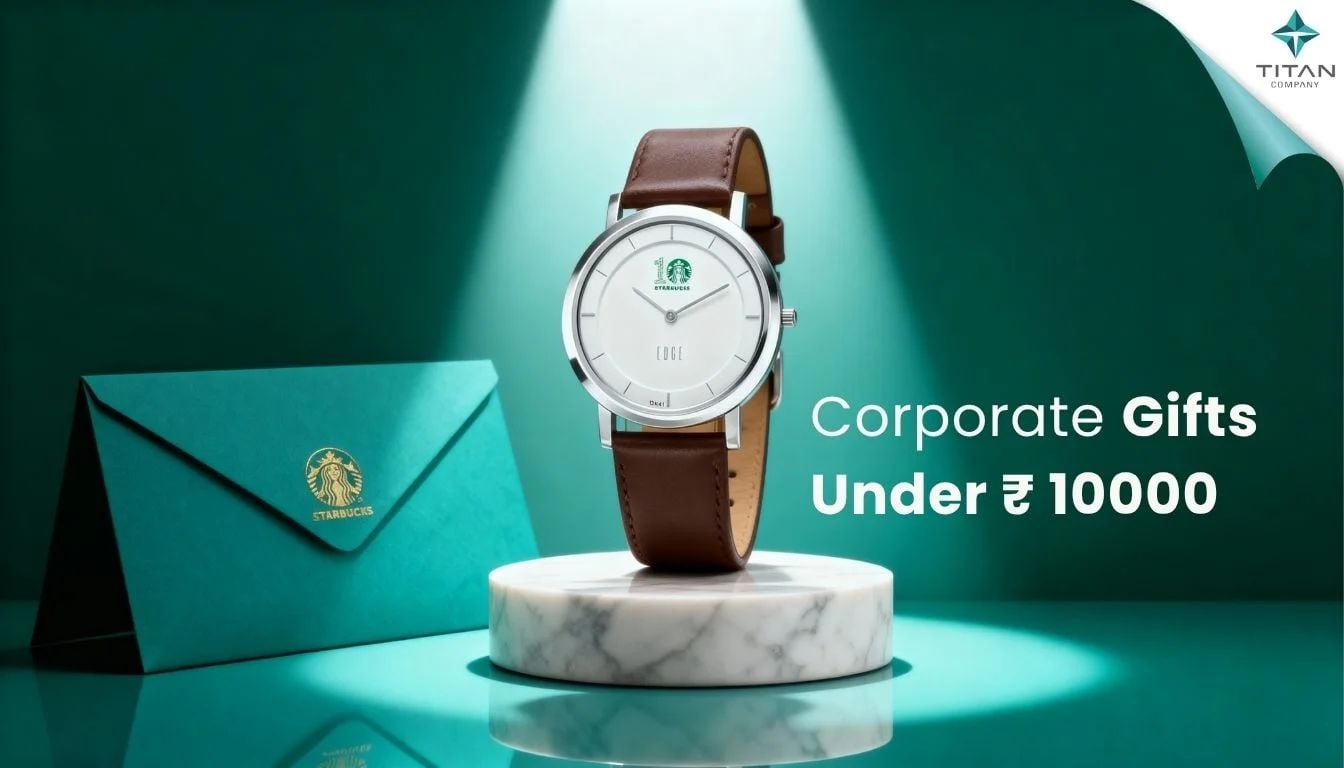
At Titan Corporate Gifting, customized watches offer one way to mark company anniversaries and other milestones. The choice of gift still depends on the occasion, the people who will receive it, and the budget available. Explore customization for examples of commemorative gift designs.
Key Takeaways from These Successful Corporate Gifting Campaigns
Across these examples, patterns appear quietly. Milestones anchor meaning and gifts reflect values. Recipients understand why the gesture exists. The most successful corporate gifting campaigns avoid noise and rely on relevance and timing rather than novelty.
What Brands Can Learn from Iconic Corporate Gifting Success Stories
These corporate gifting success stories show that planning starts with listening. Understanding what people value helps shape gifts that feel right. Employees often respond strongest to recognition that respects time and effort. Partners respond to gestures that signal trust and institutions respond to alignment with purpose.
Conclusion
Corporate gifting carries weight when it supports legacy rather than replacing it. These campaigns show that thoughtful gestures, tied to real moments, often speak louder than announcements. At the core of it, successful corporate gifting campaigns work when they reflect shared history and future intent.