


If you think about how gifting decisions usually happen in a business setting, it often involves quick decisions, a large team with different preferences and a budget to follow. This is where gift vouchers quietly fit in.
Gift vouchers help companies account for all of these things by offering flexibility of choice alongside the brand experience. This balance is what makes them useful. Understanding what is a gift voucher becomes easier when you look at how people actually use them, not just how they are defined.
Key Takeaways
- A gift voucher is a prepaid tool that suggests a specific experience or category, making a gift feel more intentional and thoughtful.
- Vouchers typically come with specific boundaries, such as being tied to a single brand, a retail category, or a dining experience.
- Unlike cards, most vouchers are single-use, requiring the recipient to redeem the entire value in one transaction or visit.
- Vouchers are the best choice when the brand experience matters as much as the value, guiding the recipient toward a specific reward.
Gift Voucher Meaning: What Is a Gift Voucher?
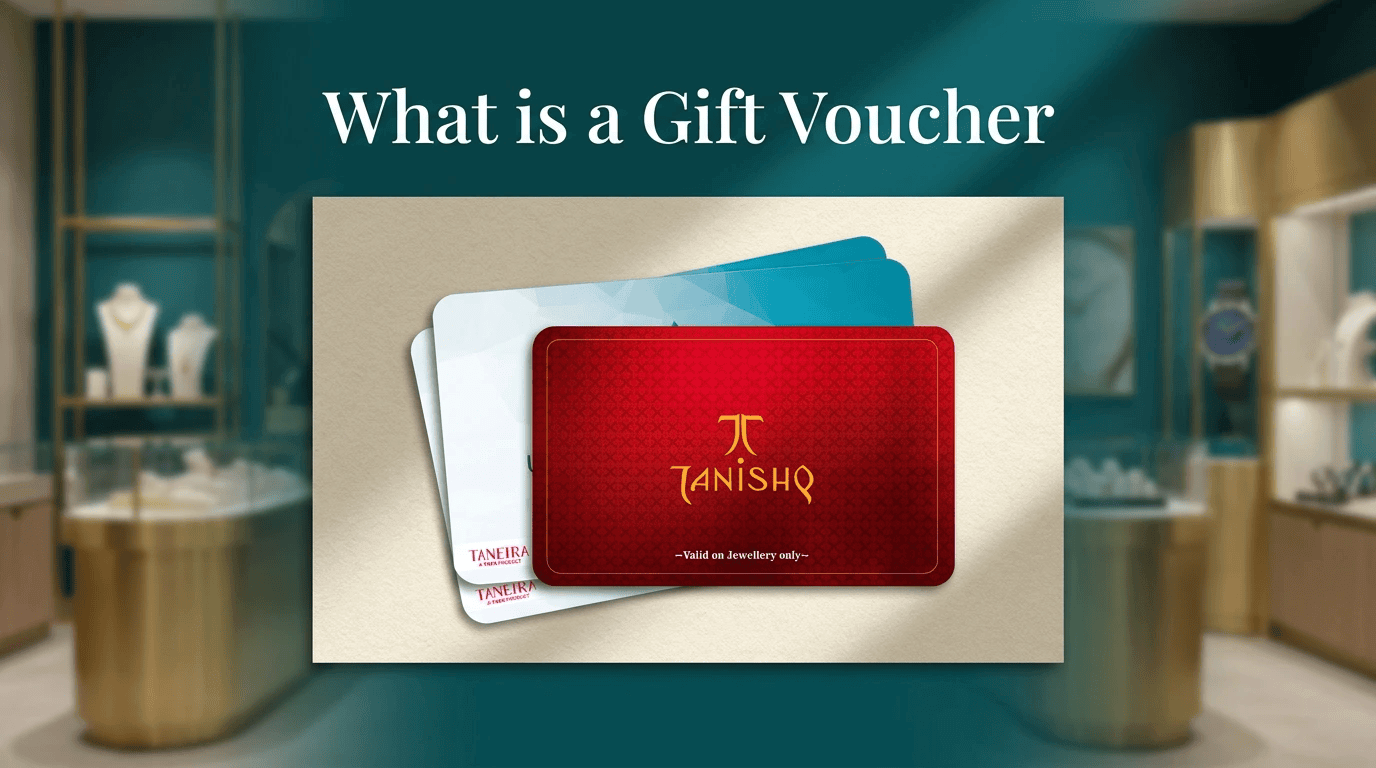
At a basic level, if someone asks what a gift voucher is, the answer is simple. It is a prepaid value that can be used in a specific way. But that “specific way” is what defines the meaning of a gift voucher. It usually comes with a boundary, which may be based on a category, a store, or even an experience. However, this isn’t a limitation. In many cases, it gives the gift some context. For example, a dining voucher does not just carry value but also suggests a moment, a break, a meal with someone. That small shift changes how the recipient feels and remembers the gift.
What Is a Gift Voucher and Why Is It Used?
The real appeal of a voucher lies in its balance. Companies often struggle with "choice paralysis" when rewarding large teams; vouchers solve this by narrowing the field just enough.
For instance, in case of festive gifting, a lifestyle-specific voucher may offer a better experience than a standard one. This is because it actually matches the mood of the season. So, it’s not about restricting the user; it’s about providing a focused experience that feels more like a curated gift and less like a cold transaction.
Gift vouchers and gift cards are often used interchangeably, but companies should understand what is a gift card before choosing the right format for corporate gifting.
How Gift Vouchers Work: Step-by-Step Breakdown
If you look at how gift vouchers work, there is nothing complex from the user’s side. The process usually looks like this:
- A voucher is created with a defined value or purpose.
- It is assigned a unique code.
- The code is shared with the recipient
- The recipient uses it during purchase
- The system applies the value based on the terms
Some vouchers need to be used in one go, while some offer flexibility. It depends on how they are set up.
Key Features of Gift Vouchers
A few basic features shape how vouchers function. They usually have:
- A fixed value or defined benefit
- Clear usage conditions
- A time limit
- A specific way to redeem
These may sound like small details, but they make a difference as they help keep expectations clear on both sides. For businesses, that clarity helps with planning. For recipients, it avoids confusion.
How to Use a Gift Voucher for Purchases
Learning how to use a gift voucher is quick and easy, especially in case of digital vouchers. The flow is simple:
- Choose what you want to buy
- Enter or show the voucher code
- Apply it during checkout
- Complete the payment
Using Gift Vouchers Online vs In-Store
The experience changes slightly depending on where the voucher is used. Online, it is straightforward. The code goes into a box at checkout and the value gets applied instantly. In a store, it depends on the setup. Some places accept digital codes directly. Others may ask for a printed version. From a user’s point of view, both work fine. The difference is just in how the code is presented.
Gift Voucher Examples Across Different Categories
Gift vouchers give recipients the freedom to choose what they need, making them one of the most flexible options for employee rewards, festive gifting, and client appreciation.
It helps to look at a few real gift voucher examples to understand how varied they can be. You might come across:
- A voucher for a restaurant or dining experience
- A retail voucher for clothing or accessories
- A category-based voucher for lifestyle purchases
- A travel or leisure voucher
Common Use Cases of Gift Vouchers
Vouchers often appear in business settings because they are easy to align with intent. They are often used in:
- Employee rewards during festivals
- Dealer and partner incentives
- Client gifting programs
- Campaign-based recognition
They work well when the company wants to guide how the reward is used without overcomplicating things.
Benefits of Using Gift Vouchers
The benefits of gift vouchers are easier to notice in practice than on paper. They offer:
- A clear connection between the gift and the occasion
- Less decision pressure for the sender
- A guided experience for the recipient
- A general reward says, "Use this anywhere."
- A dining voucher says, "Take a break and enjoy this."
- Simplicity in distribution
When Should You Choose a Gift Voucher?
There are certain situations where vouchers feel more appropriate, some of these are:
- When the occasion has a clear theme
- When the experience matters as much as the value
- When the company wants some control over usage
- When alignment with a category or brand is important
In these cases, vouchers do more than just transfer value. They shape the outcome.
Things to Consider Before Using a Gift Voucher
Even though vouchers are simple, a quick check helps avoid issues later. It is worth looking at:
- How long does the voucher stay valid
- Where it can be used
- Whether it must be used fully in one transaction
- How it will be delivered
These are small details, but they affect how smooth the experience feels for the person using it.
Conclusion: Why Gift Vouchers Are a Flexible Gifting Option
Vouchers continue to be relevant because they do not introduce any kind of friction to real-world scenarios. They guide without imposing rigidity. They convey intention without making it cumbersome. It is such an ideal balance that enables their relevance in different programs.
Once you realize the meaning of the gift voucher in a real-world scenario, understanding when to utilize it is simpler. In the end, everyone remembers whether their experience of receiving the gift was easy and meaningful. This comes naturally with the use of gift vouchers.